
 EN
EN



Eight Rounds of Samples and Still Not Right
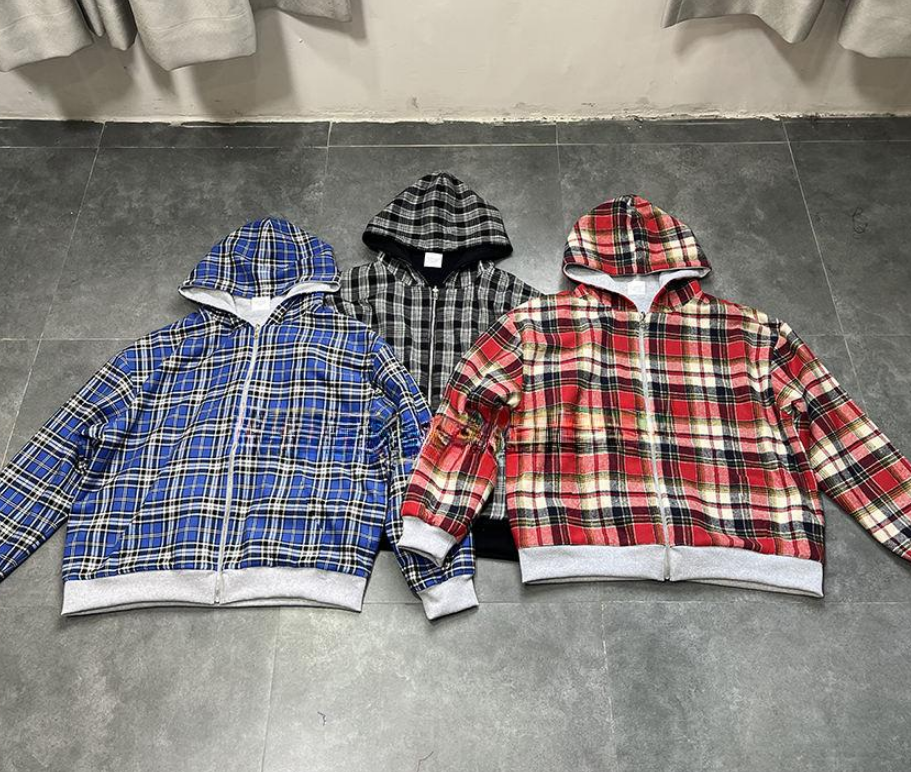
A couple of years ago, I watched a friend struggle with his new apparel brand. He had a great design for a hoodie, but the fit was never right. The first sample had sleeves that were too tight. The second sample fixed the sleeves but made the chest too loose. The third sample had the right chest but the hood was too small. He went through eight rounds of physical samples. Each round took two weeks and cost him money for materials and shipping. By the time he approved the final sample, four months had passed. His planned launch was delayed, and he lost his seasonal window. That experience showed me the brutal inefficiency of traditional sampling. Then I learned about digital prototyping and 3D sampling. The contrast is like night and day.
From Flat Sketches to Wearable 3D Models in Hours
So what exactly is digital prototyping? Instead of cutting fabric and sewing a real garment, a designer or pattern maker creates a 3D model on a computer. They input the pattern pieces, select the fabric type with its physical properties like weight, stretch, and drape, then dress a virtual avatar. Within hours, you can see how the garment looks from every angle. Does it pull at the shoulders? Does it bag at the back? You can even simulate how it moves when the avatar walks or raises arms. 3D sampling software has become so advanced that it can predict shrinkage, seam puckering, and even color matching. For a brand owner, this means you can catch fit and design flaws before a single yard of fabric is cut. No more waiting weeks for a physical sample to discover a basic mistake.
Less Waste, Faster Decisions, Quicker Launches
The commercial benefits are massive. First, speed. A physical sample round can take ten to fourteen days from pattern to sewing to shipping. A 3D sample can be generated in one or two days. You can review it instantly online. That cuts weeks off your development timeline. Second, cost. Physical samples require fabric, trims, and labor. Each round can cost fifty to two hundred dollars. If you need eight rounds, that is sixteen hundred dollars just in sampling. Then add express shipping back and forth. Digital samples cost a fraction of that. Third, sustainability. The fashion industry wastes enormous amounts of fabric on samples that are never sold. Digital prototyping eliminates almost all of that waste. For a small brand with limited budget, switching to a factory that offers 3D sampling can mean the difference between launching on time or missing the season.
Designers, Pattern Makers, and Clients See the Same Thing Instantly
One of the biggest headaches in clothing manufacturing is communication. A designer in New York draws a sketch. The pattern maker in China interprets it. The factory produces a sample. The designer sees it and says, “No, the collar should be wider.” Another round. With 3D sampling, everyone looks at the same virtual model on screen. The designer can rotate the avatar, zoom in, and mark exactly where changes are needed. The pattern maker sees the comments in real time and adjusts the digital pattern. No language barrier, no fuzzy photos, no guessing. I have seen teams from three different countries finalize a fit in a single video call using a shared 3D model. That kind of collaboration used to be impossible. Now it is routine for forward thinking manufacturers.
Digital First, Physical Final for Critical Checks
Does digital prototyping completely replace physical samples? Not entirely. There are things you cannot feel through a screen. How does the fabric actually feel against your skin? Does the zipper pull smoothly? Is the lining comfortable? For these tactile and mechanical checks, you still need a physical sample. But with digital first, you reduce physical rounds to one or two instead of eight or ten. You go digital until the fit and design are locked. Then you make a single physical sample to confirm hand feel, hardware, and final construction. This hybrid approach is what many efficient factories now use. In the service process of a mature manufacturer, steps like “Confirm design” and “Produce samples” become much faster when digital tools are used early. You still get that final physical confirmation, but without the endless back and forth.
Partner With a Manufacturer That Invests in Modern Methods
As a brand owner, you do not need to become an expert in 3D software. What you need is a clothing factory that has already invested in these tools. Ask potential partners whether they offer digital prototyping. Look for a manufacturer with expert pattern makers who can translate your sketches into accurate 3D models. A factory that understands both traditional craftsmanship and modern technology will save you time, money, and frustration. Xinsheng Garment has over 14 years of experience in men‘s apparel manufacturing. They serve more than 10,000 partners and have a monthly capacity of 350,000 pieces. Their service process includes expert pattern makers who develop design samples. While their website focuses on the physical steps, a factory with their scale and reputation often adopts digital tools to stay competitive. They also offer free samples, strict quality assurance, and multiple crafts like printing and embroidery. By partnering with a manufacturer that embraces digital prototyping and 3D sampling, you turn a slow, expensive sampling process into a fast, collaborative, and affordable one. That is the real impact on modern clothing manufacturing.
Table of Contents
- Eight Rounds of Samples and Still Not Right
- From Flat Sketches to Wearable 3D Models in Hours
- Less Waste, Faster Decisions, Quicker Launches
- Designers, Pattern Makers, and Clients See the Same Thing Instantly
- Digital First, Physical Final for Critical Checks
- Partner With a Manufacturer That Invests in Modern Methods