
 EN
EN



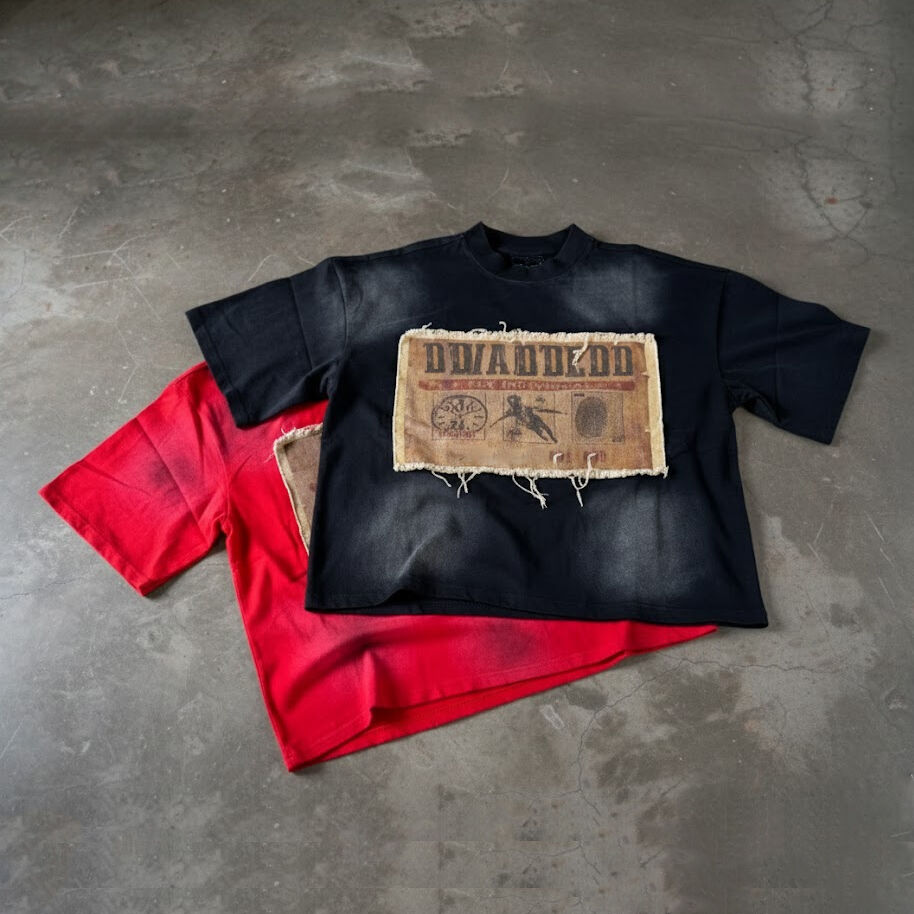
Why Fabric Selection Defines a Streetwear Brand
Streetwear lives and dies on standing out. Walk through any trade show or scroll through social media, and the brands that catch attention are the ones using fabrics and prints that feel different from everything else. A standard cotton twill with a basic screen print blends into the background. A heavyweight brushed fleece with a custom all over print, a textured jacquard knit, or a fabric with an unexpected sheen stops the scroll. For mens streetwear, the fabric is often the difference between a garment that sells at full price and one that sits on a clearance rack. Sourcing unique materials is not just a design task. It is a core part of building a brand identity that customers recognize and return to.
Where to Look for Interesting Fabrics
The most obvious sources are not always the best ones. Large fabric wholesalers stock what sells in volume, which means their catalogs look similar to what every other brand is using. More interesting options come from smaller niche suppliers, deadstock fabric vendors, and manufacturers who develop their own proprietary textiles. Deadstock fabrics are leftover rolls from major fashion houses and mills. They offer high quality designer materials at lower prices and in limited quantities, which creates natural exclusivity for a streetwear drop. The downside is that quantities are limited, so deadstock works better for small batch releases than for continuous production. Manufacturer developed fabrics are another strong option. Factories that specialize in mens streetwear often invest in developing unique knits, woven fabrics, and custom dye techniques that are not available on the open market. Asking a manufacturing partner what exclusive fabrics they have in their library can uncover options that competitors cannot access.
Developing Custom Prints That Tell a Story
A custom print turns a basic garment into a statement piece. The print development process starts with artwork. High resolution vector files work best for screen printing because they scale without losing quality. Raster artwork at three hundred DPI or higher can also work if the dimensions match the intended print size. For placement prints on t-shirts or hoodies, the artwork needs to fit within the printable area of the specific garment panel. All over prints that cover the entire fabric require repeating patterns that tile seamlessly. The manufacturer's prepress team can usually help adjust artwork for the specific printing method being used. Screen printing delivers vibrant colors and works well for bold graphic designs. Digital printing allows for photorealistic images and complex color gradients. Sublimation printing works on polyester fabrics and creates prints that will not crack or fade because the ink bonds into the fibers at a molecular level. Each method has strengths, and the right choice depends on the fabric, the artwork, and the production volume.
Testing Fabrics Before Committing to Bulk
A fabric that looks incredible on a sample swatch can behave very differently in a finished garment. The drape might not work for the intended silhouette. The hand feel might change after washing. The print might crack after a few wear cycles. Smart brands test before they invest. Ask the manufacturer for lab dips on custom colors to confirm they match the brand standard. Request strike offs on custom prints to check the color accuracy and print quality on the actual production fabric. Sew a pre production sample that goes through washing and wearing to see how the fabric holds up over time. These test steps take time but prevent the much bigger waste of producing a bulk order that does not meet expectations.
Balancing Uniqueness with Minimum Order Quantities
The tension between wanting unique fabrics and meeting minimum order quantities is a constant reality for streetwear brands. Custom developed fabrics often require high minimums that small and mid size brands cannot meet. One workaround is to use custom prints on stock fabrics. The base fabric meets a reasonable minimum, and the custom print adds the uniqueness without the full cost of custom fabric development. Another approach is to use unique trims, labels, and packaging details to elevate a garment when the fabric itself is more standard. A basic hoodie in a solid color can feel premium with the right zipper, drawcord, and branded hardware choices.
Building a Relationship with the Right Manufacturer
Long term sourcing success comes from building a real partnership with a manufacturer that understands mens streetwear. A good manufacturing partner should have a fabric library for the brand to browse, whether in person at their facility or through mailed swatches. They should be proactive about suggesting new fabrics, new print techniques, and new finishes that fit the brand's aesthetic. The best factory relationships feel collaborative rather than transactional. The manufacturer brings technical expertise and supply chain access. The brand brings creative vision. When both sides communicate openly about capabilities, limitations, and opportunities, the result is a product line that consistently delivers unique fabrics and prints.
Sourcing unique fabrics and prints for a streetwear line takes curiosity, patience, and the right manufacturing partnerships. The effort pays off in garments that stand out in a crowded market and build a loyal following among customers who appreciate the difference.