
 EN



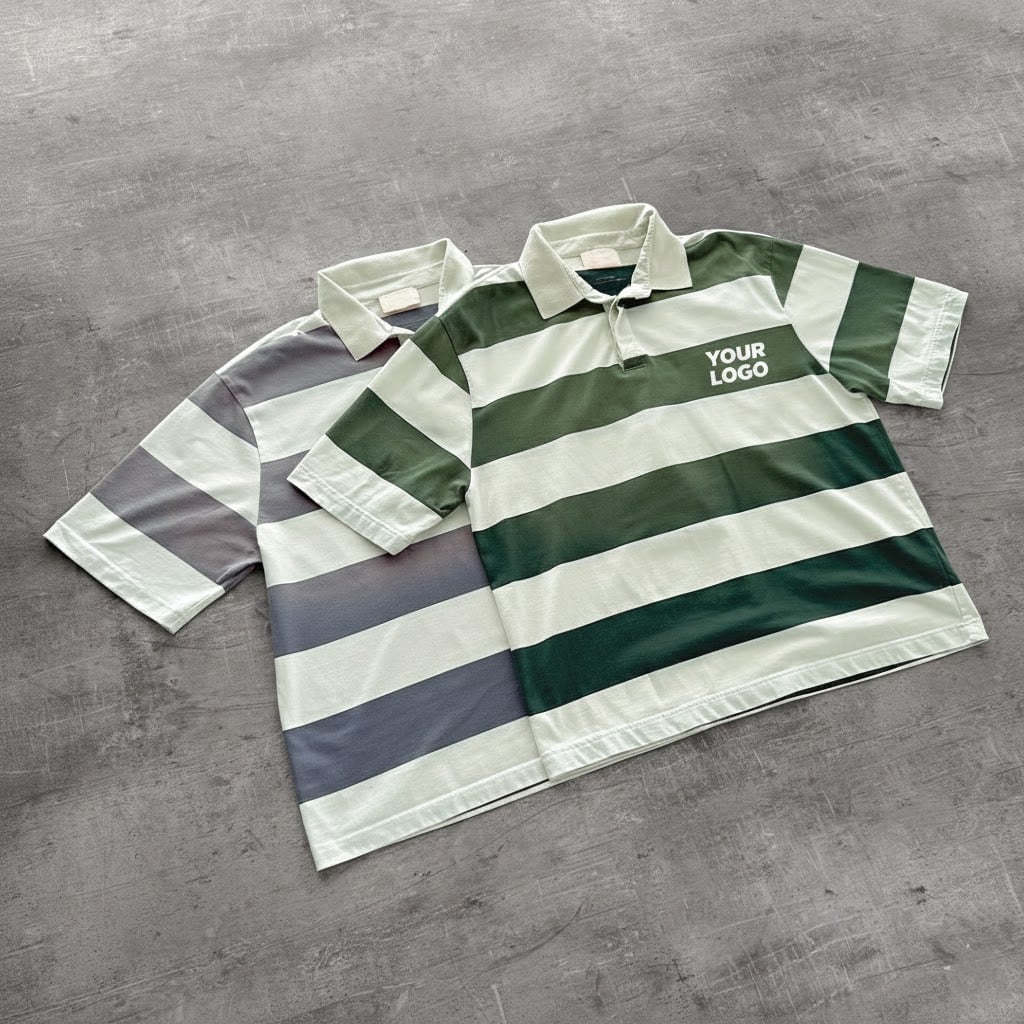
A Logo Stitched on a Polo Shirt Carries More Weight Than It Looks
A polo shirt is a small canvas. The logo sits near the chest, often on a clean pique ground, and it is one of the first details a customer sees. In bulk orders, that tiny embroidery can decide whether a uniform program, retail drop, or corporate collection feels premium or rushed. Custom polo shirt logo embroidery quality is not a decoration issue. It is a brand issue. A crooked logo, a puckered ground, or a thread that fades after a few washes sends a message that the whole garment was made without care.
What Separates Clean Embroidery From Cheap-Looking Stitching
Clean embroidery starts long before the needle moves. It starts with digitizing. A file built for one fabric may run poorly on another. Pique knits have texture and stretch. They need a stitch path that respects the surface. The backing and stabilizer must support the design without making the chest stiff. Thread type, needle size, and tension have to match the fabric weight. Trimming matters too. Loose threads and jump stitches make a logo look unfinished, even when the design itself is fine.
A common mistake is treating embroidery as a standalone service. On a polo shirt, embroidery interacts with the placket, the collar, and the fabric panel. If the hoop tension is too tight, the pique can distort. If the stabilizer is too light, the logo sinks into the fabric. If the thread color is matched under one light, it may look wrong under another. Quality control has to cover all of it.
Where Bulk Embroidery Programs Typically Fail
Bulk orders fail in predictable places. The list below shows what buyers should watch:
-
Digitizing files that were never tested on the actual polo fabric.
-
Stabilizer choices made by habit instead of by fabric weight and stretch.
-
Tension settings changed between machines without a shared standard.
-
Logo placement measured by eye instead of by a template.
-
Thread lots that vary in shade or sheen.
-
Trimming and final inspection skipped under delivery pressure.
-
Washing tests that ignore how embroidery behaves after care.
A recent case involved a men's polo shirt program for a corporate client. The left chest logo looked sharp on the first sample. In bulk, the logo on several dozen pieces sat slightly lower and the letters had rough edges. The factory had switched to a lighter stabilizer to save cost and moved the job to a different machine without recalibrating tension. The fabric also came from a new lot with slightly more stretch. The fix required a new digitized file, a firmer stabilizer, and a placement template. The client accepted the corrected run, but the delay damaged the schedule.
| Embroidery factor | Well-controlled bulk order | Poorly controlled bulk order |
|---|---|---|
| Digitizing | Built and tested for the actual polo fabric | Reused from a different style |
| Stabilizer | Matched to fabric weight and stretch | Chosen by price or habit |
| Tension | Documented and checked per machine | Adjusted by operator feel |
| Placement | Template and measurement check | Eyeballed on the chest |
| Thread | Lot controlled for shade and sheen | Mixed lots without review |
| Finishing | Trimming and inspection before packing | Rushed or skipped |
| Wash behavior | Checked after laundering | Assumed from dry sample |
The Fabric and Stabilizer Relationship Nobody Should Ignore
Embroidery quality is a balance between thread, needle, fabric, and backing. Pique knit is not flat. It has raised texture and natural stretch. When the needle penetrates, it pushes fibers aside. A proper stabilizer holds the fabric stable during stitching and then releases enough to let the garment move. Too much stabilizer creates a stiff patch. Too little allows distortion and puckering. The same logo can look completely different on two polo fabrics with the same fiber content but different knit density.
This is why a single approved sample is not enough for a bulk polo shirt order. The embroidery file should be tested on the actual production fabric. If the fabric lot changes, the embroidery should be rechecked. Standards such as ISO 4915 for stitch types and AATCC TM135 for home laundering give a shared reference for evaluating construction and after-care appearance. They do not replace hands-on testing, but they make results easier to compare.
How Sampling and Production Checks Protect a Bulk Polo Order
A practical embroidery approval process looks like this:
-
Confirm the polo fabric, color, and weight.
-
Digitize the logo for that fabric.
-
Run a test embroidery on a production panel.
-
Wash the test panel and inspect for distortion, fading, and puckering.
-
Approve placement with a template and measurement record.
-
Lock tension, stabilizer, and thread specs.
-
Check the first bulk pieces against the approved washed panel.
Limitations exist. A test panel cannot copy every wearer, every wash habit, or every climate. Some shrinkage and softening happen over time. The goal is not a perfect forever logo. The goal is a logo that stays presentable through normal use. That standard is realistic and worth defending.
Why Embroidery Consistency Is a Brand Asset in Bulk Polo Shirt Orders
Consistency is what turns a polo shirt from a one-time purchase into a repeat order. Customers may not know the word "digitizing," but they notice when a logo looks cheap. They notice when the chest puffs up or the thread frays. For uniform programs, retail collections, and promotional runs, embroidery is often the most visible brand element on the garment. Protecting it protects the brand.
For brands that need men's polo shirt programs with reliable logo embroidery, Xinsheng in Humen offers in-house sampling, bulk production, and finishing capabilities that include embroidery and other garment techniques. A tested fabric library and flexible MOQs support both new labels and larger orders. The advantage is not one embroidery file. It is the habit of testing the logo on the real fabric, after washing, before the bulk order makes the result permanent.
Table of Contents
- A Logo Stitched on a Polo Shirt Carries More Weight Than It Looks
- What Separates Clean Embroidery From Cheap-Looking Stitching
- Where Bulk Embroidery Programs Typically Fail
- The Fabric and Stabilizer Relationship Nobody Should Ignore
- How Sampling and Production Checks Protect a Bulk Polo Order
- Why Embroidery Consistency Is a Brand Asset in Bulk Polo Shirt Orders