
 EN



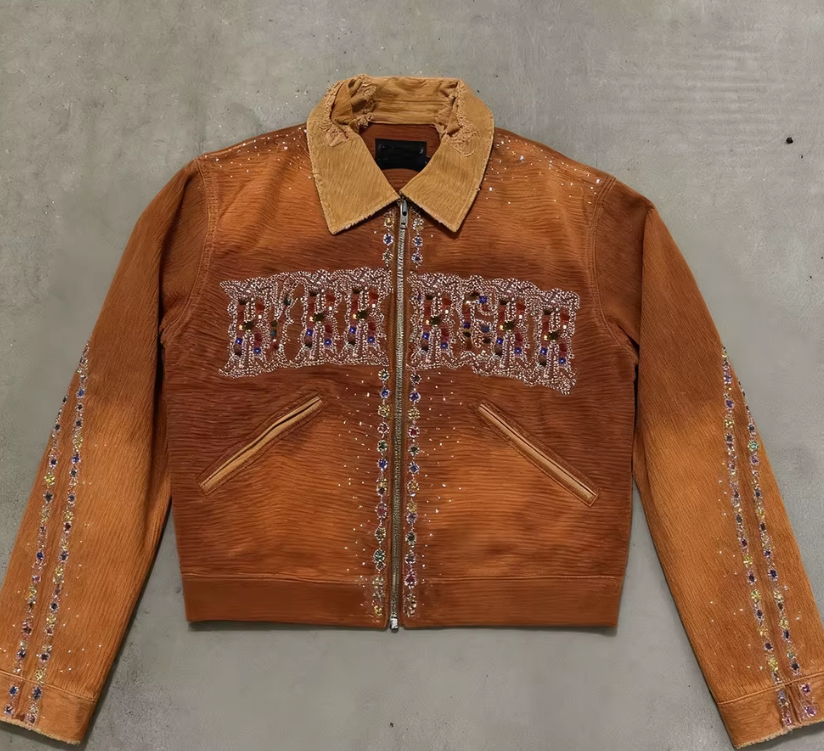
A Jacket Order Lives or Dies by the Spec Sheet
A jacket bulk production order rarely fails because the design was bad. It fails because the size spec sheet left too much open to interpretation. Jackets have more layers than a tee or hoodie. Shell fabric, lining, fill, zippers, snaps, and ribbing all interact. A detailed size spec sheet gives every measurement point a definition, a tolerance, and a method. Without that, each operator, cutter, and inspector can read the same number differently. The result is a batch that looks right on paper and wrong on the rack.
Where Vague Measurements Create Bulk Production Chaos
Vague specs show up in predictable ways. A size chart may list chest, body length, and sleeve length but skip armhole curve, shoulder slope, hem opening, and cuff relaxed measurement. For a jacket, those missing points control comfort and layering. If the armhole is too tight, the jacket pulls when arms move. If the hem opening is too wide, the silhouette changes. If the shoulder point is not fixed, the collar sits differently. Factories can cut to the numbers on the sheet and still produce garments that fit nothing alike.
Another issue is tolerance. A measurement without a tolerance is a suggestion. One factory may treat plus or minus half a centimeter as acceptable. Another may accept a full centimeter. In bulk, those small differences stack up. A jacket can pass inspection and still fail the customer.
The Spec Sheet Details That Actually Control Jacket Fit
A useful spec sheet goes beyond numbers. It defines how each number is taken. Key items include:
-
Measurement point diagrams for chest, waist, hem, sleeve, cuff, shoulder, and collar.
-
Tolerances for each point, with tighter limits on visible areas.
-
Grading rules for every size, not just the base size.
-
Fabric and lining shrinkage notes based on test results.
-
Fill distribution and loft expectations for padded styles.
-
Zipper length, puller position, and placket alignment.
-
Wash or care method used before final measurement.
The spec sheet should also state the measuring tools and surface. A jacket measured flat on a table may read differently than one measured on a mannequin. Consistent method matters more than perfect method. If the method changes, the numbers change.
What Happens When a Jacket Program Skips Spec Discipline
A recent case involved a fall jacket program for a growing menswear label. The approved sample fit well. The bulk order arrived with the same size label but different results. Customers reported tight armholes and uneven body length. The spec sheet had listed chest and body length, but it never defined the armhole curve or the shoulder point. The factory had also changed the lining supplier, and the new lining shrank differently after fusing. A few dozen pieces were measured, and the body length varied more than the tolerance allowed. The fix required new measurement diagrams, a locked lining supplier, and a pre-production wash check. The corrected run shipped, but the launch window had already narrowed.
| Spec area | Weak spec sheet | Strong spec sheet |
|---|---|---|
| Measurement points | Chest and length only | Full diagram with armhole, shoulder, hem, cuff |
| Tolerance | Not stated | Per point, tighter on visible areas |
| Grading | Base size only | Every size checked |
| Lining and fill | Generic note | Supplier locked, shrinkage tested |
| Measurement method | Operator choice | Written method and tools |
| Bulk check | Final inspection only | Inline and pre-ship checks |
How to Build a Size Spec Sheet That Survives Bulk
Building a spec sheet is not a paperwork exercise. It is risk control. A practical process starts with the fit sample. Every measurement point should be marked and photographed. The tolerance should be agreed before bulk cutting. The grading should be reviewed on paper and on a sewn sample. If the jacket has fill or lining, those materials need their own shrinkage and loft checks. Standards such as ASTM D5585 for adult male body measurements and ISO 8559-1 for size designation give a common reference for body dimensions, but they do not replace a brand's own fit decisions. They help make those decisions easier to communicate.
Limits exist. A spec sheet cannot guarantee that every wearer will love the fit. Body shapes vary, and layering habits differ. A spec sheet can reduce variation, make inspection fair, and give the factory a clear target. That is enough to protect a bulk order from avoidable surprises.
Why Spec Discipline Pays Off for Brands and Manufacturers
A detailed spec sheet saves money in quiet ways. Fewer fit disputes, fewer remakes, fewer returns. It also makes communication faster because questions get answered by the document, not by memory. For manufacturers, a clear spec reduces rework and supports consistent output. For brands, it protects the size chart that customers trust.
For men's jacket programs that need this level of control, Xinsheng in Humen offers in-house sampling, bulk production, and finishing capabilities that include washing and other garment techniques. A tested fabric library and flexible MOQs support both emerging labels and larger orders. The value is not one spec template. It is the discipline of defining every measurement, testing materials, and checking the first bulk pieces before the order is locked.
Table of Contents
- A Jacket Order Lives or Dies by the Spec Sheet
- Where Vague Measurements Create Bulk Production Chaos
- The Spec Sheet Details That Actually Control Jacket Fit
- What Happens When a Jacket Program Skips Spec Discipline
- How to Build a Size Spec Sheet That Survives Bulk
- Why Spec Discipline Pays Off for Brands and Manufacturers