
 EN



The Gap Between a Great Design File and a Repeatable Garment
Custom apparel looks simple on a screen. A tech pack, a mood board, and a size chart seem like enough to move forward. In production, the real test is whether the same hoodie, tee, or jacket can be made again next season without the fit, color, or finish drifting. That is where experienced clothing manufacturers separate themselves from suppliers that only quote low prices. Design consistency is not a design problem. It is a manufacturing discipline built from pattern control, material sourcing, sample iteration, and line-level quality checks.
Where Inexperienced Production Breaks Design Consistency
A weak supplier can approve a perfect sample and still fail in bulk. Common failure points include:
-
Fabric substitution after approval because the original lot ran out.
-
Pattern grading errors that change shoulder slope or sleeve length across sizes.
-
Print placement drift caused by missing templates or inconsistent screen setup.
-
Embroidery density changes that alter stretch, drape, or hand feel.
-
Wash treatments that produce uneven color from panel to panel.
-
Trims, zippers, or labels swapped for cheaper alternatives without written approval.
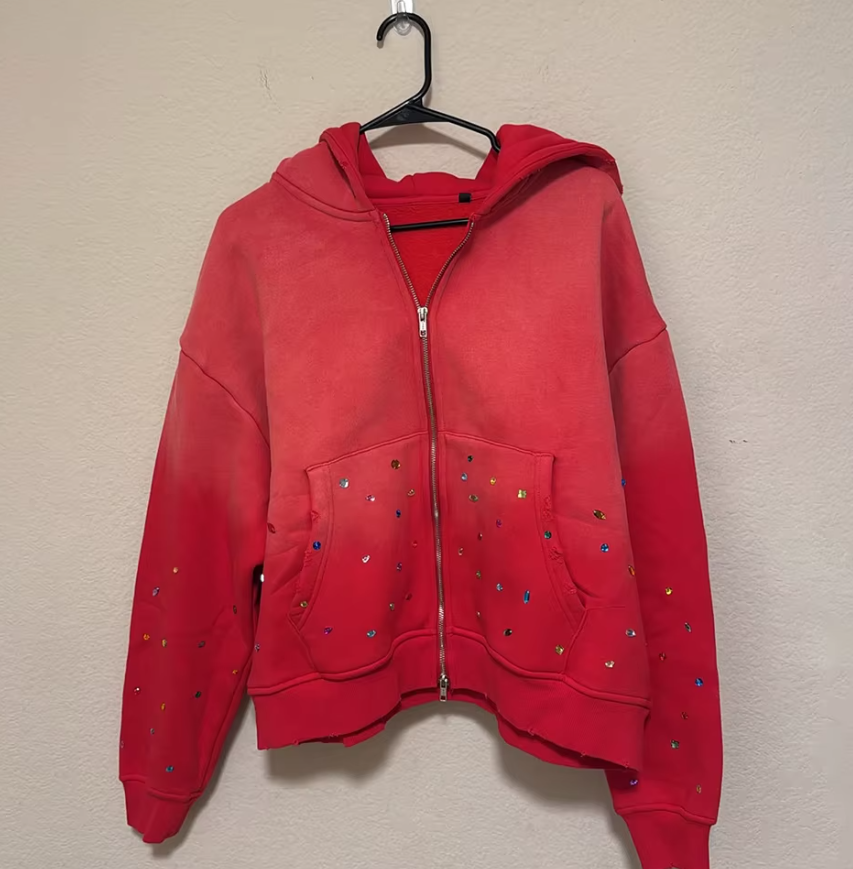
A recent streetwear launch showed how fast this happens. A brand approved a washed hoodie with a puff print front panel. The sample felt soft, the print had clean edges, and the wash color matched the target. In bulk, an inexperienced supplier used a similar fleece because the approved fabric was unavailable. The wash reacted differently, the puff print puckered, and the front panel lost the intended hand feel. Replacement stock had to be rushed, and the drop missed its planned date. None of this was a design flaw. It was a manufacturing control failure.
The Hidden Cost of Chasing the Lowest Quote
Low quotes often exclude the work that protects consistency. Sampling may be cheap, but multiple rounds cost time. Fabric may be cheap, but substitutions cost returns. Inspection may be skipped, but defects surface after the customer sees them. Experienced clothing manufacturers build these steps into the process because fixing a bad batch is far more expensive than preventing it.
| Area | Experienced clothing manufacturers | Inexperienced suppliers |
|---|---|---|
| Sample development | Uses block patterns and fit libraries; fewer rounds | Starts from scratch; more revision cycles |
| Fabric sourcing | Tested fabric options; shrink and colorfastness checks | Limited stock; last-minute substitutions |
| Print and embroidery | Digitized files, screens, and placement templates | Manual placement; inconsistent across sizes |
| Bulk consistency | Inline checks and AQL-based final inspection | Final check only; defects found after delivery |
| Communication | English-speaking merchandisers and written specs | Fragmented updates; unclear change control |
| Scaling | Flexible MOQs with volume planning | MOQ surprises; capacity gaps |
The table is not about luxury. It is about risk. A brand can recover from a higher unit price. A brand may not recover from a launch that arrives wrong.
What Experienced clothing manufacturers Actually Control
Consistency comes from controlling variables that most buyers never see. Pattern makers adjust for fabric shrinkage before cutting. Printers test ink coverage and curing on the actual fabric, not a generic swatch. Embroiderers digitize files for each fabric weight and stretch level. Washers run test panels to confirm color and hand feel. Quality teams check measurements, symmetry, stitching, and trim placement at multiple stages. Standards such as ISO 2859-1 for sampling and AATCC colorfastness methods exist because visual inspection alone misses too much. Certifications like GRS also matter when recycled materials are part of the story, because traceability starts at the supply chain level.
Good manufacturers also know when to push back. If a design needs a fabric that cannot hold a crisp puff print, the right partner says so before bulk. If a wash will shrink more than the tolerance allows, the pattern should change first. That kind of feedback saves seasons.
Evaluating a Manufacturing Partner Without Wasting a Season
Before placing a bulk order, ask for evidence rather than promises. A serious partner should show:
-
Sample timelines and revision policies.
-
Fabric library depth and testing records.
-
Print, embroidery, rhinestone, and wash capabilities in-house or through vetted partners.
-
Inline and final inspection procedures.
-
Clear MOQs and scaling options.
-
English-speaking project management for spec changes.
A factory visit or video audit reveals more than a catalog. Look at how cut panels are bundled, how print placement is marked, and how defects are tagged. Those small details predict bulk consistency better than a polished sales deck.
Why Consistency Is a Brand Asset, Not a Factory Detail
Customers may not know the term "pattern grading," but they feel it when a size medium fits differently from a size large. They notice when a black tee fades after three washes or when a graphic sits an inch lower on the left side. Every inconsistency weakens trust. Every consistent drop strengthens it. For emerging brands, consistency is what turns a first purchase into a repeat customer. For established labels, it protects years of brand equity.
Experienced clothing manufacturers are not just production vendors. They are risk managers for the design. They protect the fit, feel, color, and finish that made the sample worth approving. That protection comes from systems, samples, and skilled people who understand how fabric, patterns, and decoration interact.
For brands looking for that level of control, Xinsheng in Humen offers a practical option. The company handles men’s apparel with in-house design, sampling, bulk production, and finishing techniques such as printing, embroidery, rhinestone, puff print, and washing. A tested fabric library and flexible MOQs support both startup launches and larger programs. The value is not one machine or one style. It is the consistency that comes from keeping critical steps under one roof.
Table of Contents
- The Gap Between a Great Design File and a Repeatable Garment
- Where Inexperienced Production Breaks Design Consistency
- The Hidden Cost of Chasing the Lowest Quote
- What Experienced clothing manufacturers Actually Control
- Evaluating a Manufacturing Partner Without Wasting a Season
- Why Consistency Is a Brand Asset, Not a Factory Detail