
 EN
EN



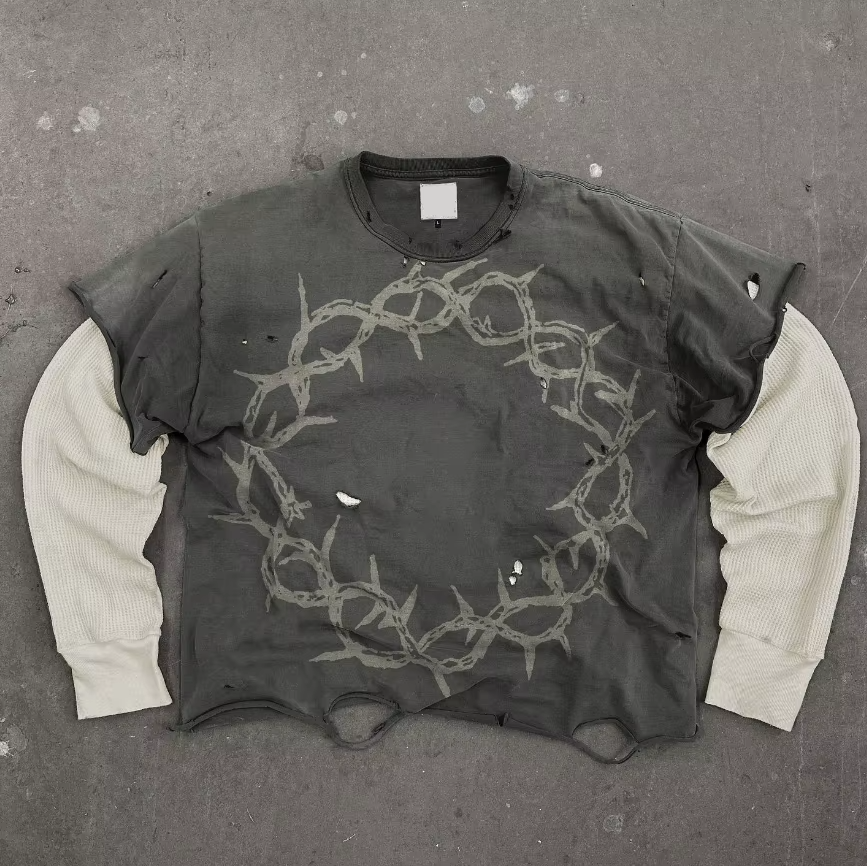
Core structural differences between tubular and side seam tee foundations
Every apparel sourcing specialist who works with streetwear production lines will state clearly that the base construction of a tee changes every layer of product performance from visual silhouette to long term wash durability. Senior textile procurement experts from global streetwear supplier association release unified evaluation frameworks to separate tubular and side seam tees by their weaving and cutting logic. Tubular tees rely on circular knitting machines to spin a complete seamless fabric tube that forms the full torso without vertical cutting while side seam tees adopt separate front and back fabric panels sewn together along the waist sides after flat fabric cutting. Many independent brand founders share costly trial order mistakes from ignoring construction differences during sample development. One European streetwear brand once ordered oversized vintage acid wash tees using tubular construction and received bulk goods with severe torso twisting after three standard laundry cycles which forced the brand to delay seasonal product launch. All qualified garment factories follow ASTM knit apparel testing standards to measure wash twist rate shrinkage and print compatibility during sample confirmation to avoid such avoidable production losses for brand partners.
Tubular tee seamless silhouette advantages and inherent limitations
Tubular construction stands out for its fully seamless torso surface which brings unique aesthetic and comfort benefits for lightweight basic tees. The circular knit tube removes vertical side stitching entirely so there is no stacked fabric ridge rubbing against waist and underarm skin during daily movement. This smooth uniform surface creates clean uninterrupted space for small centered logo prints with no seam line breaking graphic layouts. For thin lightweight jersey tees under 220gsm tubular manufacturing also cuts down raw fabric waste to lower unit production cost and support smaller flexible minimum order quantities. Still this construction carries obvious inherent restrictions that limit its use for heavy streetwear silhouettes. Circular knit tubes can not support ultra wide oversized baggy frames popular in modern streetwear and heavyweight 420gsm to 500gsm cotton will amplify fabric twisting after repeated washing as there is no side seam to lock fabric shape. Complex vintage finishing crafts including heavy acid wash and ripped distressing also raise uneven shrinkage risks on tubular bodies making this structure unsuitable for bold culture driven streetwear collections with intense fabric treatments.
Side seam tee segmented cutting stability and wide design compatibility
Side seam segmented cutting remains the dominant construction for high end custom streetwear tees especially heavyweight oversize and vintage wash styles. Manufacturers cut separate flat front and back panels then lock the fabric shape with double stitched side seams from underarm to garment hem. These vertical stitching lines act as fixed structural anchors to control fabric stretch and shrinkage during all post production finishing processes from pigment printing to multi stage monkey wash and stone wash. Official GB knit tee testing standards set strict twist rate thresholds that side seam tees consistently meet even after ten repeated wash cycles while tubular styles often exceed acceptable distortion limits under identical testing conditions. This segmented method unlocks full freedom for streetwear creative design including asymmetrical panel color blocking large back patch prints and extreme baggy oversized silhouettes that tubular knitting equipment cannot produce. Factories with complete heavy fabric processing workshops use side seam construction for all 360gsm 420gsm and 500gsm french terry tees to guarantee consistent relaxed silhouette without post wash warping.
Performance contrast in printing washing and daily wear experience
Brand operators can observe clear gaps between the two tee constructions across three core consumer facing metrics print quality wash stability and long term wear comfort. For print application tubular seamless surfaces deliver flawless small graphic prints with zero seam interference yet large full torso DTG prints develop uneven tension distortion during heat curing. Side seam tees absorb heavy layers of screen ink and heat transfer paste evenly with anchored panels preventing graphic warping even after deep vintage fading treatments. In repeated washing tests tubular tees show visible torso twist hem curling and uneven fabric pull around the waist area after five laundry cycles while side seam counterparts retain straight balanced outlines thanks to locked side panel tension. On daily wear comfort tubular tees eliminate stitch friction points ideal for close fit casual inner layers but side seam tees with soft folded seam finishing minimize skin irritation while supporting loose baggy fits favored by young streetwear consumers across North America Europe and Southeast Asia. Multiple partner brand feedback records note side seam heavyweight tees maintain their original relaxed shape over months of regular wear compared to tubular lightweight alternatives.
Brand positioning guidance to pick matching tee construction
Sourcing teams can eliminate sample and bulk order waste by matching tee construction to core brand positioning target consumer groups and planned finishing crafts. Labels focusing on affordable minimalist basic tees with small simple logos can prioritize tubular construction to reduce production expense and access low flexible MOQ for frequent small restock runs. Brands building vintage streetwear lines centered on heavyweight oversize silhouettes patchwork prints and multi stage acid washing must select side seam segmented cutting to avoid wash distortion and design limitations. Utility and culture focused streetwear brands launching all season collections often run dual construction sample sets to cover both slim basic inner tees and oversized statement outer tees within one product line. Experienced factory pattern makers recommend reserving extended sample development cycles for tubular heavyweight trials as fabric twisting risks require extra wash testing before mass production confirmation while side seam samples deliver predictable stable results with shorter validation timelines. Small batch trial orders help brands test regional market feedback and adjust fabric gram weight and construction type to match local climate and styling preferences.
Versatile tee manufacturing capacity covering dual construction solutions
Each standard tee construction carries distinct functional strengths and creative boundaries that shape the full range of men’s streetwear tee offerings for global fashion brands. Finding a manufacturing partner equipped to produce both tubular seamless and side seam segmented tees with full internal fabric finishing equipment removes the hassle of coordinating separate suppliers for basic and heavy custom styles. Xinsheng Garment holds twenty years of specialized men’s streetwear manufacturing experience with independent knitting cutting and washing workshops capable of processing lightweight tubular jersey tees and 360 to 500gsm heavyweight side seam oversize tees. The factory maintains complete craft equipment for digital printing silk screen embroidery and all vintage wash treatments while running full stage quality checks on wash twist rate shrinkage and print uniformity for both tee construction types. Balanced flexible production scheduling supports tiny trial sample orders and monthly bulk output above five hundred thousand pieces delivering consistent custom tee solutions for emerging independent streetwear labels and established global fashion brands alike.
Table of Contents
- Core structural differences between tubular and side seam tee foundations
- Tubular tee seamless silhouette advantages and inherent limitations
- Side seam tee segmented cutting stability and wide design compatibility
- Performance contrast in printing washing and daily wear experience
- Brand positioning guidance to pick matching tee construction
- Versatile tee manufacturing capacity covering dual construction solutions