
 EN
EN



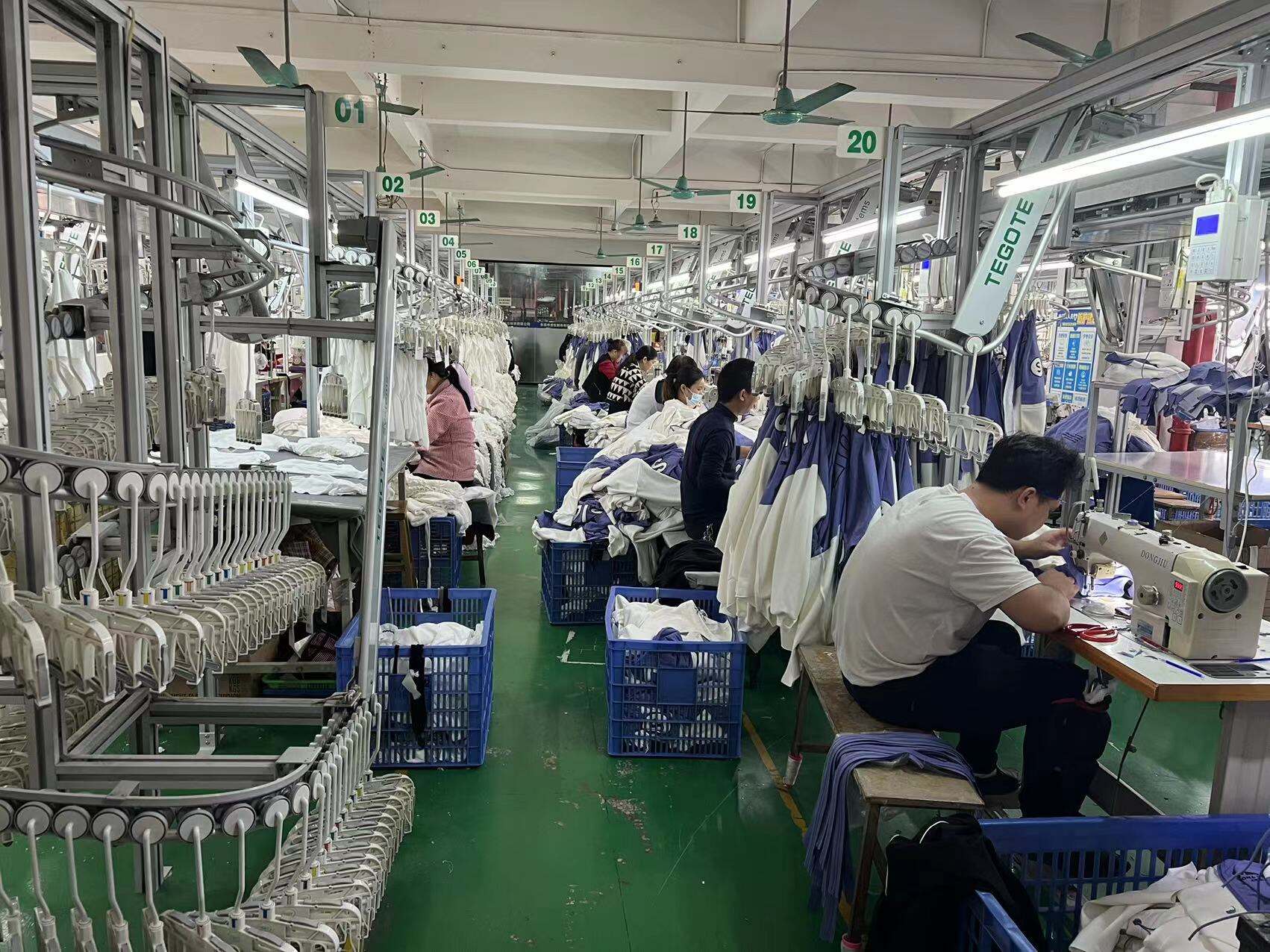
Finding the right production partner is like navigating a maze. You have a vision in your head, sketches on paper, and a target customer base that is fickle and demanding. The last thing you want is to sign a deal with a factory only to receive a shipment of garments that feel completely off brand. When it comes to streetwear, the margin for error is even smaller because the culture is built on authenticity and specific details. Whether you are launching a cut and sew line of oversized hoodies or a collection of heavy weight tees with puff print, the conversation always circles back to the capabilities of the clothing manufacturers you choose to align with.
Honestly, anyone can rent a factory space and buy a few sewing machines. The real value lies in the expertise of the staff and the flexibility of the production floor. You are not just looking for someone to stitch fabric together; you are looking for a team that understands why a drop shoulder fits differently than a set in sleeve. The evaluation process has to go beyond a simple price per piece. It is about probing the technical knowledge and the creative problem solving that happens behind the scenes. If you are serious about building a brand that lasts, you need to dig into how these clothing manufacturers approach the art of bringing a design to life.
Looking Past the Sample Rack
The first pitfall many new brand owners fall into is judging a factory solely by the samples they see at a trade show. Those samples are often the result of dozens of revisions and the best possible lighting. That is the highlight reel, not the daily reality. What you really need to assess is how those samples were achieved. You should ask to see the tech pack they were working from or the communication log regarding those specific pieces. Good clothing manufacturers are transparent about the process. They will tell you that the reason the hem looks so clean is because they use a specific gauge needle and a particular bonding tape that prevents curling on heavyweight cotton.
You want to listen for the language they use. If you mention a specific gram weight for fleece and they look at you like you are speaking a foreign language, that is a red flag. But if they counter with a question about whether you want a brushed interior or an unbrushed loopback for breathability, you know you are talking to a partner who gets it. This is the expertise that separates factories that just make clothes from clothing manufacturers that help build brands. At places like Xinsheng, this conversation is standard. The goal is not just to copy a reference photo; it is to understand why the reference photo works so well.
The Cut and Sew Conversation Nobody Has
Another area where expertise shines is in the pattern making and grading stage. This is the unglamorous, mathematical side of fashion that actually dictates how your clothes will drape on a body. Many budget clothing manufacturers will push you toward existing blocks. That means they take a pattern they already have for a basic t shirt and just tweak the collar. That might be fine if you are doing a simple promo tee, but if your brand identity hinges on an elongated silhouette or a unique dropped armhole, that block will never look right.
Expert clothing manufacturers are willing to create from scratch. They understand that streetwear proportions are different. A hoodie meant to be worn over a hoodie needs a different armhole curvature and a wider sleeve width. During your evaluation, ask about their pattern maker. Is it someone who has been doing this for decades and knows how to adjust for different fabric tensions? Or is it just an automated software with no human eye behind it? The ability to grade a size run without distorting the design is a skill that takes years to perfect. If a factory cannot explain how they maintain the shape of a pocket from size Small to size 3XL, they might not be the right fit for a brand that cares about consistency.
Decoding the Trim and Embellishment Game
Streetwear is all about the details. It is the puff print that sits just right, the embroidery that pops without puckering, and the wash that gives a garment a lived in feel without destroying the seams. This is where the average clothing manufacturers often stumble. They might have a single heat press in the corner that works fine for a flat vector logo but falls apart when you ask for high density silicone print that requires multiple layers and exact curing times.
When you are evaluating a partner, you need to see their finishing room. How do they handle embellishment alignment? A crooked logo placement three inches to the left of center is a dead giveaway of a rushed job. You should also test their knowledge of specialty washes. If you tell them you want a mineral wash or an acid wash effect on a 100% cotton garment, a knowledgeable team will immediately discuss the potential for seam slippage and recommend reinforced stitching before the wash process begins. This kind of proactive troubleshooting is the hallmark of skilled clothing manufacturers. They anticipate problems before the fabric even hits the cutting table, saving you both time and money.
Communication Rhythm and Project Management
It sounds simple, but the way a factory communicates during the initial inquiry phase is a mirror of how they will handle a crisis during production. If they take three days to reply to an email asking about MOQ flexibility, imagine how long it will take to get an answer when a shipment of zippers arrives in the wrong color. You are looking for clothing manufacturers who have a dedicated point of contact. It does not have to be the owner, but it should be someone who has the authority to stop the line if something looks wrong.
Look for responsiveness and a willingness to educate you. A good partner will gently correct you if you specify a construction method that is doomed to fail. They might say something like, "Hey, we love this design, but if we use this lightweight thread on a fleece hood, it's going to break after three washes. Let's upgrade to a bonded nylon thread instead." That is the kind of guidance that saves your brand reputation. It is a collaborative relationship, not a transactional one. You are not just a PO number to the best clothing manufacturers; you are a partner whose success is intertwined with their own.
Understanding Minimums and Material Sourcing
Let's be real: the conversation about minimum order quantities (MOQs) is often the first hurdle. For a startup brand, being told you need to order 500 pieces per color when you only want 100 can be a dealbreaker. However, the way clothing manufacturers handle this objection tells you a lot about their supply chain expertise. A rigid factory will just say "No, we can't do it." A more sophisticated partner will offer solutions. They might suggest grouping your order with another client's production run to share the dyeing cost or recommend a similar stock fabric that they already have in inventory.
This ties directly into their material sourcing network. Expert clothing manufacturers have deep relationships with textile mills. They know which mill produces the softest hand feel for tri blend tees and which one has the most consistent dye lot for vibrant reds. When you ask for a specific fabric, like a 450gsm heavy cotton jersey, they should be able to tell you immediately if it is a stock service or a custom development. Access to premium fabrics without the insane development fees is a huge asset for a smaller brand. It allows you to punch above your weight class in terms of quality. The ability to navigate these material constraints creatively is what defines a top tier partner.
Quality Control That Goes Beyond the Surface
Finally, you have to evaluate how they check the final product. Every clothing manufacturers website will have a page about "strict quality control," but you need to know what that actually means in practice. Does it mean a quick glance for holes and a count of the cartons? Or does it mean a multi point inspection that includes checking for skipped stitches on the inside of the collar and measuring the tolerance of the sleeve length?
You want to ask about their AQL (Acceptable Quality Limit) standards. If they don't know what that acronym stands for, run. But if they can tell you they inspect to a 2.5 or 4.0 standard for major defects, you have found a professional operation. The best clothing manufacturers treat QC as an integral part of the workflow, not just a final checkpoint. They have checkers on the floor during sewing to catch issues like twisted seams or wavy topstitching before the garment is even finished. This reduces waste and ensures that the box that arrives at your door is filled with pieces you are proud to sell. A partnership in this industry is an investment in trust, and that trust is built on the consistency of every single seam.