
 EN
EN



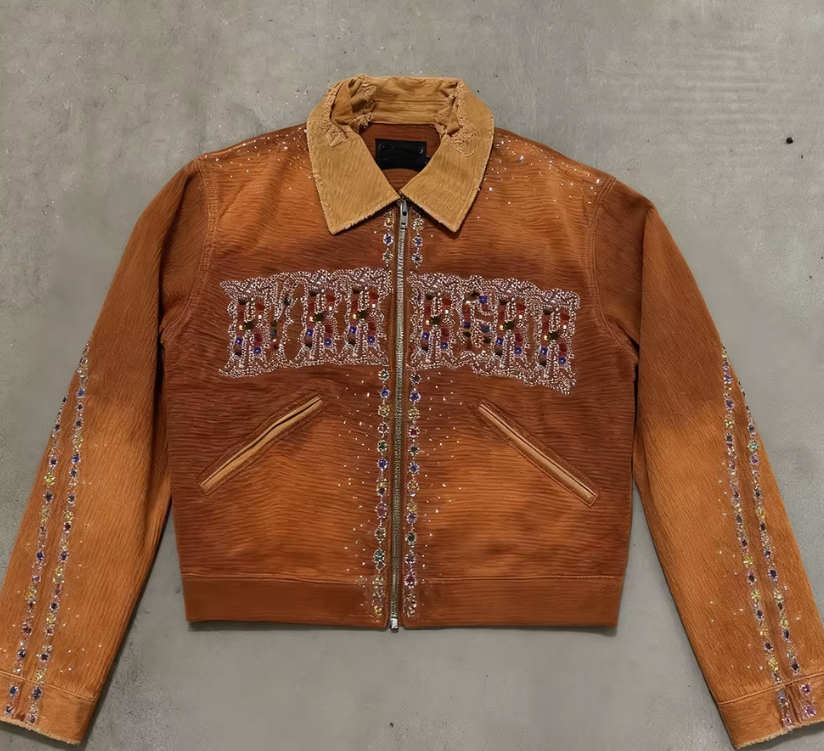
When you are getting ready to produce a large run of jackets, getting the specs right from the start is everything. A lot of folks jump into bulk production without a clear plan. That leads to wasted time, extra costs, and a final product that misses the mark. The secret lies in defining your materials and linings like a pro before the factory starts cutting fabric. Let me walk you through exactly how to do that.
Start With a Solid Tech Pack
Think of a tech pack as your blueprint. It is a document that tells the factory everything they need to know about your jacket. A good tech pack includes flat sketches, size measurements, material details, and construction notes. Factories rely on this to produce your order exactly as you pictured it. Without a tech pack, they have to guess. And guessing leads to mistakes. A solid tech pack protects your time and your budget. It also helps you repeat success across different production runs. The factory can pull up the same specs every time and deliver consistent quality. So before you even think about placing an order, sit down and build a thorough tech pack. List every single detail. That effort pays off big time down the road.
Picking the Right Outer Shell Material
The outer fabric is what people see first. It sets the tone for the whole jacket. For everyday wear, cotton or poly cotton blends work great. They are breathable, easy to work with, and come in tons of colors. For something more rugged, consider nylon or polyester. These synthetic options handle wind and light rain really well. They also hold up to daily wear without fading or tearing quickly. Fabric weight matters too. You will see this measured in GSM, which stands for grams per square meter. A lighter fabric around 150 to 200 GSM works for spring and fall jackets. Heavier fabrics from 300 to 450 GSM give you that substantial feel for winter coats. Always specify the GSM in your tech pack. It is one of those small details that makes a huge difference in how your jacket feels and performs.
Choosing Lining Materials That Make Sense
The lining is the inside layer. It touches your skin or whatever you are wearing underneath. A good lining makes the jacket easy to put on and take off. It also protects the outer fabric from sweat and body oils. There are a few common options here. Polyester lining is affordable and durable. It comes in many colors and resists wrinkles. Cotton lining breathes well and feels soft, though it can wrinkle more easily. Cupro is a fancier choice. It feels like silk but costs less, and it handles moisture nicely. For bulk orders, think about your end user. Are they wearing the jacket for active outdoor work? Go with something breathable like cotton or cupro. Is it a budget friendly everyday piece? Polyester will do the job just fine. Write down your lining choice clearly in your specs so there is no confusion later.
Insulation That Fits Your Climate Needs
Now let us talk about what keeps people warm. Insulation comes in two main types: down and synthetic. Down comes from geese or ducks. It offers amazing warmth without adding much weight. High fill power numbers like 700 or 800 mean better insulation. The catch is that down loses its heat trapping ability when it gets wet. Synthetic insulation is made from polyester fibers. Brands like PrimaLoft and Thinsulate are popular choices. Synthetics keep working even in damp conditions, and they dry faster. They also cost less than high quality down. For bulk orders, think about where your customers live. Rainy or humid areas call for synthetic insulation. Dry and very cold places might be better with down. You can even mix both in one jacket. Put synthetic in areas that get wet like the shoulders, and use down in the main body. That hybrid approach gives you the best of both worlds.
Writing Clear Specifications the Factory Can Follow
Here is where a lot of people stumble. You need to write your specs in a way that leaves no room for interpretation. Do not say something vague like make it warm or use soft fabric. Instead, write down exact numbers and names. Say the outer fabric is 100 percent cotton twill at 250 GSM. Say the lining is 100 percent polyester taffeta in black. Say the insulation is 80 gram synthetic fill. Add a sample image if you can. A picture really helps clear things up. Also include any special treatments like water repellent coating or anti static finish. The more specific you are, the smoother the whole process goes. Factories appreciate clear directions because they can get straight to work without second guessing.
Checking Samples Before Full Production
Never skip the sampling stage. A good manufacturer will make a sample for you to approve before cutting the bulk order. This is your chance to catch issues early. Check the fit. Feel the lining. Test how the insulation performs. If something feels off, speak up right away. Be super specific in your feedback. Instead of saying it is too tight, say add one inch to the chest measurement. After you approve the sample, the factory moves to bulk production. That sample becomes your reference point. Keep it safe so you can compare it against the final shipment. Skipping samples or rushing through them is how you end up with a thousand jackets that do not match your vision. Take your time here. It is worth every extra day.
Quality Checks That Protect Your Investment
Once bulk production starts, quality control keeps everything on track. A reliable factory checks each step of the process. They look at seam strength, color matching, and lining attachment. They also test for shrinkage and color fastness. You should ask for a quality report or even a third party inspection if your order is large. That extra step gives you peace of mind. It also shows the factory that you care about the details. When you define your specifications clearly from the beginning, quality checks become much easier. The factory knows exactly what to look for, and you know exactly what to expect. It is a win win for everyone involved.
Final Advice for Bulk Order Success
Defining jacket material and lining specifications for bulk orders does not have to be hard. Break it down step by step. Start with a solid tech pack. Pick your outer fabric, lining, and insulation based on real needs. Write everything down in clear terms. Check samples carefully. And do not forget about quality control. A little extra effort upfront saves you from big headaches later. Remember that good communication with your manufacturer makes all the difference. They want you to succeed just as much as you do. So take your time, get your specs right, and enjoy the process of bringing your custom jacket to life.
Table of Contents
- Start With a Solid Tech Pack
- Picking the Right Outer Shell Material
- Choosing Lining Materials That Make Sense
- Insulation That Fits Your Climate Needs
- Writing Clear Specifications the Factory Can Follow
- Checking Samples Before Full Production
- Quality Checks That Protect Your Investment
- Final Advice for Bulk Order Success