
 EN
EN



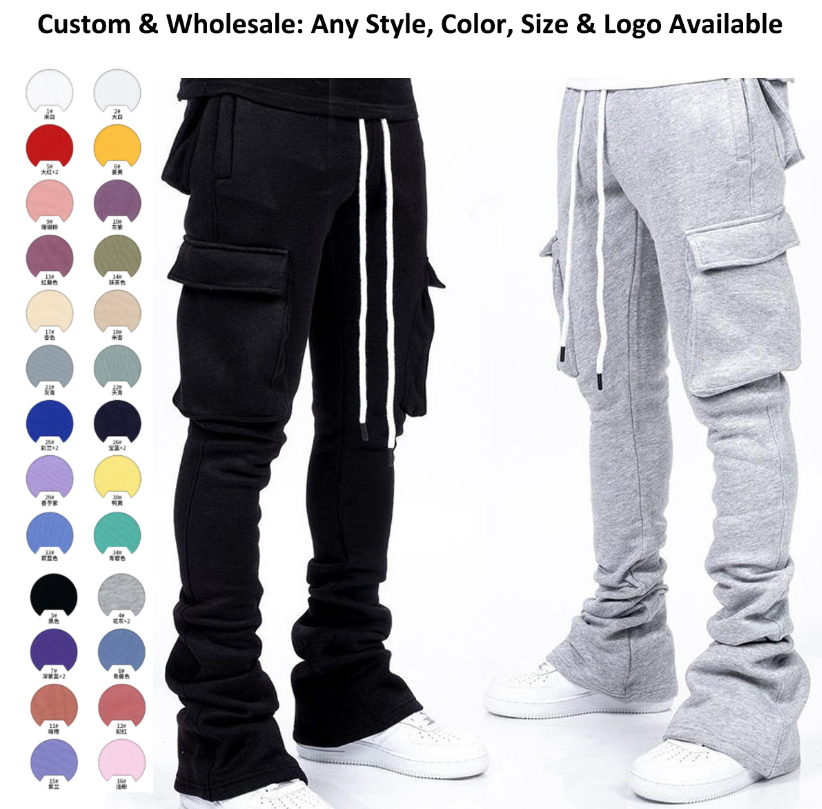
Start With the Job the Fabric Has to Do
A jogger is not just a sweatpant with cuffs. It has to hold shape through sitting, stretching, washing, and daily friction while staying soft. That is why single-fiber fabrics rarely win. A 100% cotton French terry feels great on day one, but knees can bag out and seams can wear faster. A 100% polyester knit resists abrasion, yet it can trap heat and feel slick. The sweet spot usually comes from a blend that puts complementary fibers together. Weight matters too. Most durable joggers land between 260 and 340 gsm. Below that, the knit can feel thin and lose structure. Above that, the pants may be warm but slow to dry.
Cotton and Polyester: The Workhorse Blend
Cotton brings breathability, hand feel, and a familiar look. Polyester brings strength, color retention, and abrasion resistance. When those fibers are spun together rather than layered, the yarn can balance comfort and wear life. Common ratios include 60/40, 65/35, and 50/50 cotton/polyester. For joggers, a 60/40 or 65/35 blend with a small amount of spandex often gives the best mix of softness and recovery. More cotton can improve comfort but may increase pilling and shrinkage. More polyester can improve durability but may reduce breathability. The right ratio depends on climate, wash habits, and price position.
| Blend | Abrasion resistance | Breathability | Shape recovery | Typical use |
|---|---|---|---|---|
| 100% cotton | Moderate | High | Low | Casual, mild weather |
| 100% polyester | High | Low to moderate | Moderate | Training, outdoor |
| 60/40 cotton/polyester + 3% spandex | Good | Moderate to high | Good | Everyday premium joggers |
| 75/20/5 nylon/cotton/spandex | Very good | Moderate | Very good | Athletic and travel joggers |
| 50/30/20 cotton/rayon/polyester | Moderate | High | Moderate | Fashion joggers |
ISO 12947-2 Martindale tests can show a 60/40 cotton/polyester fleece reaching 30,000 to 40,000 rubs before major surface breakdown, while 100% cotton loopback may fail earlier. ASTM D4966 is another common method. Those numbers are not a guarantee, but they separate showroom fabric from real wear.
Adding Spandex Without Losing Structure
Spandex gets attention for stretch, but too much can be a problem. A jogger with 8% spandex may feel elastic at first, then lose recovery after repeated washing because the elastane fibers fatigue. For most cotton/polyester joggers, 2% to 5% spandex is enough. Better mills use core-spun yarn, where spandex is wrapped inside cotton or polyester. That protects the elastane and reduces grin-through, the shiny show of spandex on the surface. Cuffs and waistbands often need higher recovery than the body fabric, so ribbed trims may use different elastane levels. If the body and trim recover at different rates, the waistband can roll or cuffs can flare.
The Case for Nylon and Rayon in Premium Joggers
Nylon is often overlooked because polyester is cheaper. Nylon has excellent abrasion resistance and a smoother hand, which makes it useful in travel joggers and performance styles. A nylon/cotton/spandex blend, such as 75/20/5, can feel cool, dry quickly, and hold color well. The trade-off is cost and a slightly cooler touch. Rayon, viscose, and modal can add drape and softness. A cotton/rayon/polyester blend can create a fashion jogger with a relaxed look. However, rayon loses strength when wet, so it usually needs polyester or nylon for support. Rayon above 25% can increase stretching at the knees and seat unless the knit structure is tightly controlled.
What Real Production Runs Reveal
A few seasons ago, a knitwear team in southern China ran a 300 gsm cotton/polyester/spandex fleece for a streetwear label. The first sample passed hand-feel checks and looked rich. After 50 home launderings, side seams twisted, and cuffs lost about 8% of their original height. The fiber ratio was not the only cause. The cotton was combed, but the spandex was bare rather than core-spun, and the tubular knit had low twist. Switching to core-spun 3% spandex and adjusting the wash cycle reduced twist and improved cuff recovery. That issue rarely shows up in a quick fit session. It shows up after real customers wash the pants a few dozen times. Bulk testing matters. Common checks include shrinkage after three to five washes, pilling resistance, colorfastness, and seam strength. AATCC 135 covers dimensional changes after home laundering and is widely used in the US market. Passing those tests does not make a fabric perfect, but it keeps avoidable problems out of the warehouse.
No blend fits every climate. Hot, humid regions often do better with cotton/polyester or nylon/cotton. Cooler regions can handle more cotton or rayon. Hot-water washers and tumble dryers may prefer a higher polyester share, while air dryers who want a natural feel often prefer cotton-rich blends. A mid-weight 60/40 cotton/polyester with 3% spandex and a compact knit is easier to care for and still feels premium.
For brands building a jogger line, Xinsheng handles fabric selection, sampling, and bulk production. An in-house factory in Humen Town, a 200+ fabric library, and work with 50+ renowned brands help test blends and keep bulk runs consistent. Flexible MOQs and GRS-compliant options support the move from first sample to repeat order.