
 EN
EN



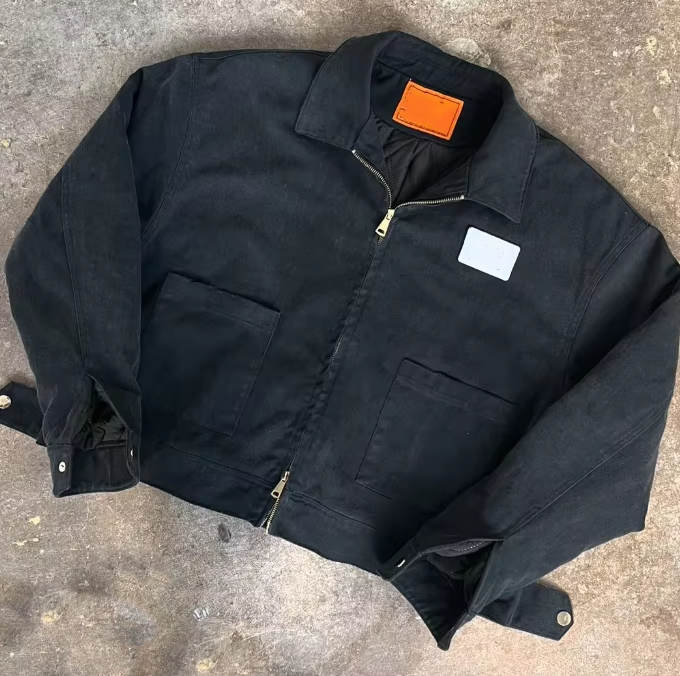
Picking the right materials for a custom jacket is a big deal. You want something that feels good, looks sharp, and keeps you comfortable. The lining and insulation are the unsung heroes here. They determine if your jacket breathes, traps heat, or just feels cheap. With so many options out there, it helps to break things down. Let’s talk about how to make smart choices for your next custom piece.
Understanding the role of a jacket lining
A lot of people skip over the lining when designing a jacket. That is a mistake. The lining sits right against your skin or your shirt. It affects how easily you can slide the jacket on and off. A good lining reduces friction and protects the outer fabric from sweat and body oils. That means your jacket lasts longer and looks better over time. The right lining also adds a bit of structure without weighing you down. It is like the hidden foundation that holds everything together. If you want a jacket that feels as good as it looks, pay attention to what is inside.
Popular lining fabrics and what they offer
There are a few common lining materials you will run into. Each one has its own vibe and purpose.
Polyester is everywhere for a reason. It is budget friendly, tough, and easy to clean. You can find it in tons of colors and patterns. It does not breathe as well as natural options, but it is great for everyday jackets that see a lot of action. Plus, it resists wrinkles and shrinkage, so it holds up well over time.
Cotton is the breathable choice. It feels soft against the skin and works well for casual jackets or lighter coats. The downside is that it wrinkles easily and might shrink after washing. But for warm weather or relaxed styles, cotton lining is hard to beat.
Silk is the luxury pick. It is smooth, lightweight, and naturally regulates temperature. Silk linings feel amazing on the skin and add a premium touch to any custom jacket. They do cost more and need gentle care, but the comfort is worth it for special pieces.
Cupro, also known as Bemberg, is a semi synthetic option that feels like silk but costs less. It breathes well, wicks away moisture, and resists static. Many brands use cupro for high end jackets because it offers a great balance of comfort and durability.
Choosing insulation for warmth and comfort
Now let’s talk about the insulation layer. This is what keeps you warm when the temperature drops. The two big players here are down and synthetic fills.
Down insulation comes from geese or ducks. It is famous for its warmth to weight ratio. A down jacket can pack a ton of heat without being bulky. High fill power numbers, like 700 or 800, mean more loft and better insulation. The catch is that down loses its insulating power when wet. If you get caught in the rain, a wet down jacket will not keep you warm.
Synthetic insulation is made from polyester fibers. Brands like PrimaLoft and Thinsulate lead the pack here. Synthetics keep working even when wet, which is a huge plus for active use or damp climates. They also dry faster and cost less than high quality down. The trade off is that synthetics are usually heavier and less compressible. But for many people, the wet weather performance makes synthetics the smarter choice.
Some jackets use a hybrid approach. They put synthetic insulation in areas that get wet or compressed, like the shoulders and arms, and use down in the core body for maximum warmth. That gives you the best of both worlds.
Matching lining and insulation to the season and style
Your choice of lining and insulation should match how and where you plan to wear the jacket.
For a lightweight spring or fall jacket, you do not need heavy insulation. A breathable cotton or cupro lining paired with a thin synthetic fill works great. You stay comfortable without overheating.
Winter jackets need serious insulation. Down or thick synthetic fills are the way to go. The lining should still feel smooth against layers. Polyester taffeta or cupro linings work well here because they let the jacket slide over sweaters without bunching up.
For a sleek dress jacket or blazer, you want minimal bulk. A silk or cupro lining adds that luxurious feel without adding weight. Skip the heavy insulation unless you live somewhere freezing.
Streetwear jackets are all about style and comfort. You can play with bold printed linings or go for a cozy fleece lining. The outer look matters, but what is inside should still feel good when you wear it all day.
Practical tips for working with a manufacturer
Once you know what materials you want, it helps to talk to your manufacturer like a partner. Share your ideas about lining and insulation early in the process. A good custom jacket maker will guide you through fabric samples and test pieces.
Always ask to see and touch the lining fabrics before committing. Photos do not tell the full story. You need to feel the texture and test the slip for yourself. The same goes for insulation samples. Check how the jacket feels when you move around. Does it breathe? Does it trap too much heat? Small adjustments early on can save you big headaches later.
Pay attention to quality control as well. A solid manufacturer checks every detail, from seam strength to fabric shrinkage, before bulk production starts. That attention to detail makes all the difference in the final product.
Final thoughts on building your custom jacket
Choosing the right lining and insulation is not rocket science, but it does take some thought. Think about your climate, your style, and how you will use the jacket. Do you need something lightweight for layering? Or a heavy coat for winter streets? The answers will point you toward the right materials.
Do not be afraid to mix things up either. A breathable cupro lining with a warm down fill can work great for cold but active days. A simple polyester lining with light synthetic insulation might be perfect for your everyday bomber jacket. Trust your instincts, test the samples, and work with a manufacturer who listens.
In the end, a custom jacket is all about you. The right inside materials make sure you look good and feel even better.