
 EN
EN



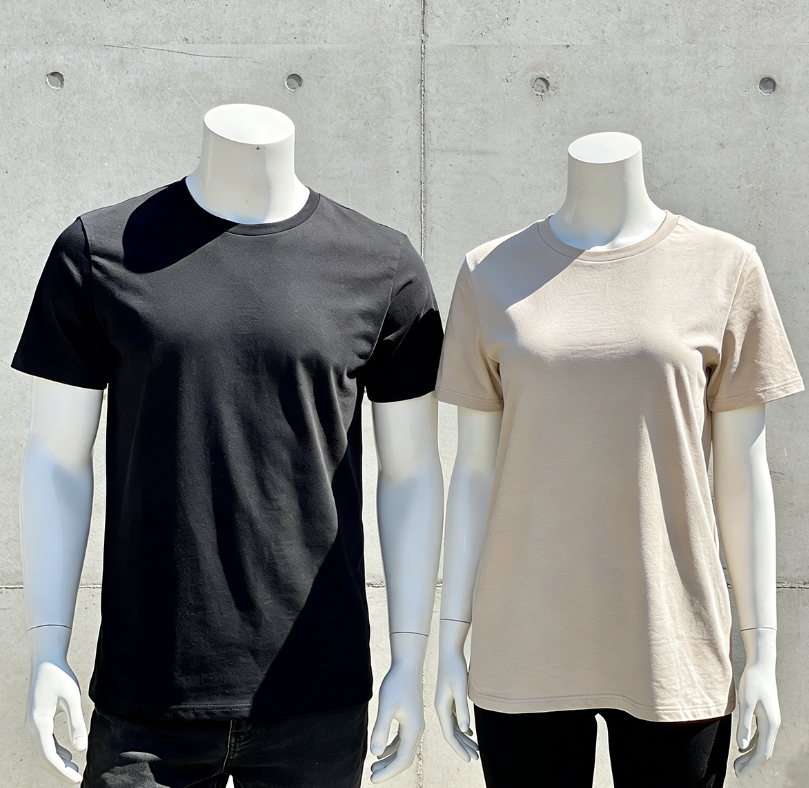
There is something about vintage washed t shirts that just feels right. They are soft and comfortable, and the worn in appearance gives the impression that they have been worn as a favorite for years. The challenge, though, is that bulk t shirt orders do not come with that vintage feel, and you cannot just toss them in a washing machine and hope for the best. You will need quite a bit of planning, the right methods, and experience from the right manufacturer. I have worked with a large t shirt order for a number of customers and for each one, I worked on many different methods in the hopes of perfecting vintage for each customer. I have learned about what methods are effective and what to avoid. Let us go through the steps so that you can also hopefully get it right.
Beginning with Suitable Material
When creating a vintage wash, you must first consider the material. Not all fabrics are the same, and vintage washes can be different based on the fabric type. Ringspun cotton is a good option for a vintage wash. This is due to the specific characteristics of the fabric. Ringspun cotton has a finer and more uniform construction which results in a smoother surface. It also provides a softer hand and feel after the washing process. Open end cotton is a less desirable option as it can feel rougher after the washing process. The mass of the fabric also plays a role in the end result. Shirts with a mass in the range of 140 to 160 gsm are lighter with a vintage wash to give a more desirable drapey and softer feel to the shirt. A vintage wash on a heavier gsm fabric is less desirable as it will result in more structural integrity to the shirt. A shirt composed of 100 percent cotton fibers will behave differently during the wash process than one composed of a cotton and polyester blend. This is as the polyester fibers do not respond to the washing process in the same manner as the cotton fibers. The end result may be less uniform due to this response to the washing process.
Exploring Various Wash Techniques
Achieving a vintage appearance can be accomplished in a multitude of ways. Each individual method offers a unique result; therefore, it becomes a matter of personal preference on how to achieve your desired aesthetic. One of the oldest techniques of fabric washing is called stone washing. With this method, a washing machine is filled with pumice stone from a volcano in order to create an abrasion effect on the surface of the fabric, resulting in the fabric feeling soft and worn. The stones used in the washing machine may or may not contain enzymes, which can vary the amount of surface abrasion. Gentle enzyme washing is another popular method, which also utilizes enzymes to break down the surface fibers in order to create a soft textile and a slightly lived in appearance. This method, in comparison to stone washing, is much gentler and tends to achieve more uniform results across larger batches of fabric. For a more aggressive vintage appearance, you may want to look into a technique called bleach washing. With this technique, you run the risk of the fabric being over bleached and in turn, not only damaging the fabric but adding to the faded look that you may be trying to achieve. With passion and creativity, the above techniques can be adjusted or combined to create the perfect look that you desire.
Choosing the Correct Color
The shade of the finished t shirt plays a large role in determining the vintage effect. It is not just about the fading, but also about the tone. A vintage wash has a muted dusty quality to the color. This is achieved through the dye process. Reactive dye works well since it bonds with cotton and also withstands many washes. The subsequent wash process alters the initial color. A faded black shirt may require a combination of enzymes with bleach to pull out color without leaving a grey hue. A faded indigo will require stone washing. It is very important to decide the final color before commencing the dye process. It is not advisable to move to bulk production before dyeing samples. During the sample stage, the color and fading effect is adjusted in order to eliminate guess work in bulk production.
Ensuring Consistency in Processes
When it comes to large orders, the issue of washing consistency is very important. There is no point in getting one batch of shirts to look how you want, if the rest of the batches are going to look different. This means that the entire washing process needs to be controlled. This means that the time in the wash is important. A wash that is too short, might result in the process not getting the needed effect, while one that is too long, could result in overdoing the process. There are other factors that need consideration, like load size, temperature, and chemistry. All of these are very important, and one needs to maintain the right mass of certain enzymes, bleach or other chemicals, while avoiding the overloading of the washing machine, as it can result in unbalanced washing. A good manufacturer should have all these factors in place to develop and maintain certain standard operating procedures. They should also be able to test each batch to ensure it is consistent with the referenced approved sample. Quality control is the main distinguishing factor between good and bad suppliers.
Significance of Sample Runs
There are few things more critical to a process than samples. Vintage washing involves a lot of experimentation, and samples provide the opportunity to refine your wash recipe. The sample will allow you to lock in and preview how the dye will look, how the fabric will feel, and to check all of that will remain consistent across the run. An effective sample run will incorporate the washing, dyeing, and fabric processes you will be using in the bulk production. The approved sample sets the standard. Everything must be consistent down to the stenciling and print with the sample you approved, and anything that deviates from this will result in a standard losing sample. Do not skip sample runs. I have seen too many projects where people dug to save time by skipping a sample, and I have seen the result be some really expensive and time consuming mistakes.
Working With The Right Partner
To be able to achieve vintage wash looks on bulk orders, it is important to work with a manufacturer that knows what they are doing, as not every factory is equipped to do these washes, nor have the expertise or the equipment to do this consistently. You want a partner who knows the right chemistry, the right equipment, has the experience to run large batches, and will communicate with you during the entire process. You want to partner with people who will run samples, share what they do and how they achieve that look, and most importantly, work with you to achieve that look. When a manufacturer does this, it is greatly appreciated. The relationship is just as important as the outcome. The good ones will tell you if they think something is not going to work, if something is going to fail, and they will offer you alternatives. They will work with you to achieve the best possible outcome.
Planning for the Production Time
Vintage wash takes more time than the average t shirt which only takes time to cut, sew, and pack the garment. Washing adds more steps to the production time. First, there is washing. Then, there is drying. After that, there is finishing. Depending on the technique, this can add multiple days to the production time. If you are doing stone washing, you also have to consider the time to remove stones and clean the garments. Enzyme washing is quicker, but still adds time. Try to build this into your schedule. If you have a firm deadline, be sure to tell your manufacturer as soon as possible so that they can plan for that. You will not want to vintage wash in a hurry. It is best to do it at the right speed to get the best results.
Quality Control at Every Stage
Quality control starts during the process and not just at the end of the steps. The fabric has to be checked before cutting. The consistency of the dye lot needs to be checked. The wash needs to be checked to see if it is progressing as expected. Garments need to be checked after washing to ensure there are no issues with fading, holes, or damages. In bulk orders, it is common to pull random samples from each batch to check if the wash is consistent across the entire run. The best manufacturers are the ones that have quality control systems that catch problems before they affect the entire order.
Last Steps Last
After the shirts are washed, there are still steps left to complete the process. Drying should be done with caution. Too much heat will cause shirts to shrink and negatively impact the softness. Of course, with too little heat, they will not be dry. In order to replicate the broken in feel of a vintage wash, there could be a softener treatment. Even the last pressing or folding is important. Focus on the details because the shirts should look just as good as they feel. The details are what make a vintage washed t shirt feel good.
The Result
Once vintage washed t shirts have all of the steps done, they look and feel much better than a regular t shirt. They are soft and comfortable, and hopefully they have character too. Brands aiming to be different can offer a vintage washed t shirt. The difference in quality is noticeable, and customers will return to the brand.
We recommend using specific fabrics and combining them with washes for the desired vintage looks. We suggest running multiple samples, and finding an experienced manufacturer. Trust the process, and it will reward you with products that delight your customers.