
 EN
EN



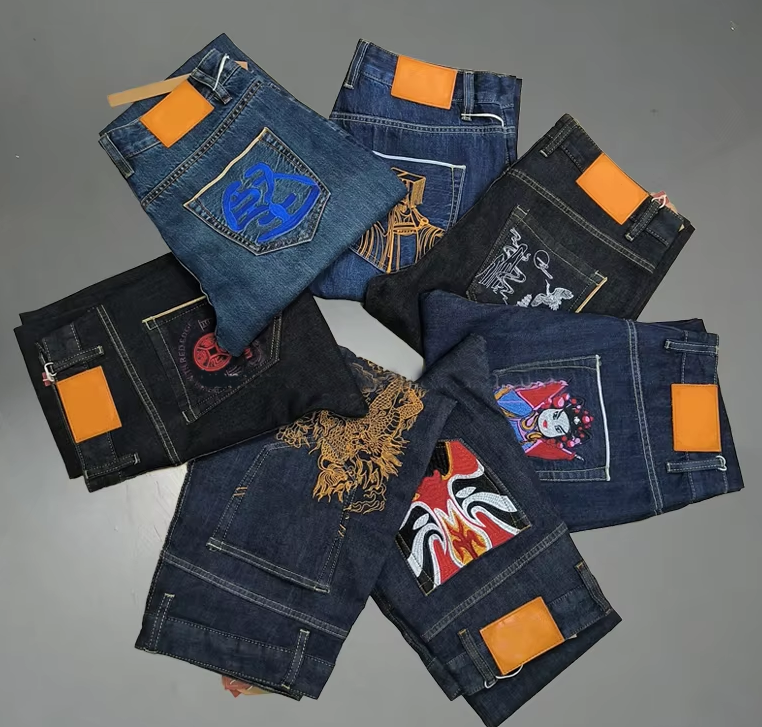
Die bou van 'n straatklere-merk gaan nie net oor die plasing van 'n grafiese ontwerp op 'n T-hemp en dit dan as 'n voltooide produk beskou nie. As dit so maklik was, sou elke Instagram-bladsy 'n suksesvolle merk wees. Die werklikheid is baie ruwer en eerlik gesê, baie meer interessant. Dit gaan oor gemeenskap, identiteit en 'n sekere onuitgesproke begrip van wat koel lyk teenoor wat geforseer voel. Dit is daardie deel van die besigheid wat skeppers snags wakker hou. Jy het die visie, jy het die gehoor, maar om 'n straatklere-vervaardiger te vind wat dit werklik verstaan? Dit is die legkas wat almal probeer oplos. Jy het nie net iemand nodig wat materiaal aanmekaar kan naai nie; jy het 'n vennoot nodig wat verstaan hoekom die val van 'n 400 gsm kapjas 'n heel ander wêreld is as dié van 'n 200 gsm kapjas.
Baie handelsmerke maak die kritieke fout om hierdie soektog te behandel soos 'n basiese verskaffingsopdrag. Hulle stuur e-posse af wat vra vir die "goedkoopste prys" en die "laagste minimum bestelhoeveelheid (MOQ)" sonder om ooit die siel van die handelsmerk te bespreek. Maar hier is die ding: 'n straatklerevervaardiger wat werklik saamstem met jou etos, sal nie net 'n getal vir jou aanbid nie. Hulle sal vra oor jou inspirasie, jou verwysingsfotos en die spesifieke was-effek waarna jy op soek is. Die gesprek moet minder soos 'n transaksie voel en eerder soos 'n kreatiewe oordrag. Wanneer jy met 'n span soos Xinsheng praat, skuif die dialoog gou van "Hoeveel kos dit?" na "Hoe wil jy hê dit moet voel?" Daardie subtiele skuif is die eerste groen vlaggie waarop jy moet let. As hulle slegs in die volume belangstel, is hulle waarskynlik nie in die visie nie.
Die taal van stof en pasvorm verstaan
Straatklere het sy eie woordeskat. Jy kan nie in 'n vergadering met 'n generiese straatklerevervaardiger instap en net sê jy wil 'n "mooi sweetpak" hê nie. Jy moet weet of jy 'n raglanmou of 'n ingeboude mou wil hê. Jy moet weet of jy op soek is na 'n geborselde fleece-binnekant of 'n Franse terry-lus. Die beste vennote is diegene wat jou woordeskat op 'n manier korrigeer wat jou opvoed eerder as om jou te verkleineer. Hulle sal saggies sê: "Haai, as jy daardie liggewig gare op 'n swaar katoenkap gebruik, gaan die nate na 'n was krimp. Kom ons gebruik eerder 'n ander spanningsinstelling of 'n gebonde nylondraad."
Dit is hier waar diepgaande vervaardigingservaring in speel kom. U wil ‘n vennoot hê wat reeds die foute gesien het sodat u dit nie hoef te maak nie. Dit gaan oor die tegniese nuanses van patroonklassifikasie. Wanneer ‘n straatklerevervaardiger u monster in grootte Medium neem en dit vergroot na ‘n 3XL, kan die ontwerp maklik vervorm. Die borsdruk kan byvoorbeeld baie klein lyk op ‘n groot liggaam, of die sak kan na ‘n vreemde plek verskuif. ‘n Fabriek wat saamstem met u merk-etos gee om daaroor hoe daardie 3XL op ‘n werklike persoon lyk, nie net op ‘n spesifikasieblad nie. Hulle verstaan dat inklusiwiteit en konsekwentheid in silhoeët wat ‘n premium straatklerestuk van ‘n vinnige-mode-nagemaakte produk onderskei. Dit is hierdie obsessiewe aandag vir hoe klere werklik dra wat ‘n lojale volgelinge groep bou.
Diepgaande Ontleding van Versiering en Oppervlakontwerp
Dit is die besonderheid wat die geheel estetiese voorkoms bepaal. Straatklere leef en sterf deur die gehalte van hul versiering. Dit is die gewig van die opgeblaasde druk, die presisie van die borduurwerk en die skerp rand van 'n lasersny-patch. Baie fabrieke sal jou 'n basiese skerm-druk wys en dit as 'n dag se werk beskou. Maar 'n spesialis-straatklerevervaardiger weet dat die spel verder beweeg het. Hulle het die toerusting en die kennis vir hoëdigtheid-silikoon-drukke met daardie 3D-tekstuur. Hulle weet hoe om 'n ontladingsdruk te doen wat werklik soos 'n deel van die materiaal voel, eerder as 'n plastieklaag wat bo-op lê.
Wanneer u 'n vennoot evalueer, moet u dieper ingaan op hul afwerkingsvermoëns. Het hulle 'n in-house borduurafdeling? Indien hulle dit uitbested, verloor u beheer oor draadspanning en kleurpotjies. U moet vra om voorbeelde van komplekse werk te sien. 'n Skeef gelogeerde logo is die vinnigste manier om u merk se geloofwaardigheid op sosiale media te vernietig. U kliënte sal dit opmerk as die uitlyning selfs 'n kwart duim af is. 'n Fabriek wat saam met u etos werk, behandel hierdie besonderhede met dieselfde erns wat u self toon. Hulle verstaan dat die "handgevoel" van 'n klerestuk en die skerpheid van die kraagdruk nie minder belangrike besonderhede is nie; dit is die fondament van u merk se reputasie.
Die Minimum-bestellinggesprek en Toegang tot Materiale
Laat ons realisties wees oor die finansiële kant van sake. Die term "MOQ" is die poortwagter vir die meeste nuwe handelsmerke. Jy stap in met 'n uitstekende konsep, en die eerste straatklerevervaardiger waarmee jy praat, vertel jou dat jy 500 eenhede per kleur in drie kleure moet koop. Dit is vyftienhonderd eenhede nog voor jy selfs een verkoop het. Dit is 'n dealbreaker vir baie mense, en eerlikweg, dit is 'n teken dat die fabriek se besigheidsmodel nie vir kreatiewe groei ontwerp is nie. Hulle is gebou vir hoë-volume herbestellings van algemene basisitems.
Die vervaardigers wat werklik saamstem met die gees van beginmerke benader dit anders. Hulle verstaan die behoefte aan veerkragtigheid. Hulle kan byvoorbeeld ‘n hoër eenheidprys vir ‘n kleiner hoeveelheid aanbied om jou aan die gang te kry, of hulle sal jou na voorraadstowwe wat reeds in hul pakhuise is, rig. Dit is ‘n groot voordeel. As ‘n straatklere-vervaardiger noue verhoudings met tekstielmole het, kan hulle jou daardie premium 450 gsm jersey of daardie unieke pigment-geverfde canvas verskaf sonder dat jy vir ‘n volledige aangepaste molloop moet betaal. Hulle verkoop nie net jou naai-tyd nie; hulle verkoop jou toegang tot hul voorsieningskettingnetwerk. Dit laat jou toe om ‘n produk te skep wat baie duurder en eksklusiewer voel as wat dit werklik is, wat die geheime bestanddeel van baie suksesvolle straatklere-beginmerke is.
Kommunikasietempo en proaktiewe probleemoplossing
U kan meer leer oor 'n straatklerevervaardiger in die eerste drie e-posuitruilings as wat u in 'n twintigbladsy-kontrak sal leer. Die spoed en duidelikheid van hul kommunikasie is 'n voorproefie van wat sal gebeur wanneer 'n werklike krisis tydens produksie optree. As u 'n tegniese vraag oor verfverskuiwing stel en hulle twee dae later 'n eenwoord-antwoord stuur, gaan u 'n ruwe rit beleef. U wil 'n vennoot wat u projek behandel asof dit die enigste een op die snytafel is, selfs wanneer u weet dit is nie.
Soek na 'n toegewyde kontakpunt. Dit is uitputtend om 'n e-pos te stuur oor die posisie van sakke net om dit aan vyf verskillende mense deur te stuur wat almal verskillende antwoorde gee. 'n Volwasse vennoot vereenvoudig hierdie proses. Hulle tree op as 'n raadgewer. As jy 'n ontwerp spesifiseer wat struktureel doodgeboom is, sal 'n goeie straatklerevervaardiger dit dadelik aanmerk. Hulle sal iets soos die volgende sê: "Ons kan dit doen, maar gebaseer op die materiaaldikte, moet ons hierdie spanningpunt met 'n streepsteek versterk." Daardie proaktiewe, probleemoplossende ingesteldheid is meer werd as om 'n paar sent per eenheid te bespaar. Dit gaan daaroor om 'n verhouding op te bou waarbinne die fabriek net soveel om die finale produk gee as wat jy doen.
Konsekwentheid in gehalte oor tyd
Die uiteindelike toets van uitlyning is nie die eerste monster nie. Daardie monster is deur die beste naaier in die gebou gemaak met die eienaar reg daar langs wat toegekyk het. Die werklike toets is die derde grootbestelling ses maande later, wanneer jy nie daar is om elke stap toe te kyk nie. Pas die kapjas presies dieselfde soos die eerste partij? Is die swart verfpartye konsekwent? Het hulle die leveransier van die trekkoordpunt willekeurig sonder jou kennis gewissel? Dit is die stil doodmaaker van handelsmerke.
‘n Betroubare straatklerevervaardiger het streng gehandhaafde gehaltebeheer wat verder gaan as ‘n bloot visuele inspeksie. Hulle toets naai-sterkte en meet toleransievlakke vir mou-lengte vir elke partjie. Hulle het interne AQL-standaarde wat hulle werklik nakom. Wanneer jy ‘n vennoot vind wat konsekwentheid lewer, laat jy hom nie gaan nie. Dit is die meeste onderwaarderde aspek van vervaardiging, maar dit is ook die een wat jou toelaat om rustig te slaap en met selfvertroue ‘n nuwe voorraad te verkoop sonder om bekommerd te wees dat kliënteklagte jou DM’s sal oorvloed. Daardie gevoel van rustigheid is eintlik wat jy betaal wanneer jy ‘n straatklerevervaardiger vind wat werklik saamstem met die etos van jou merk.