
 EN



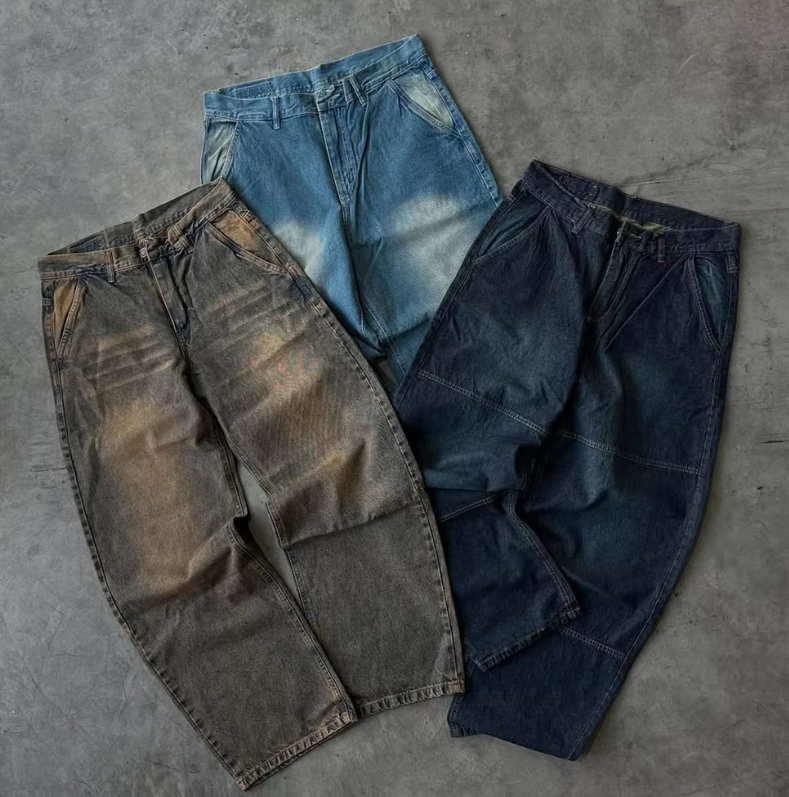
Oversized Is Not Just a Bigger Size
The quickest way to ruin an oversized drop is to grade a regular fit up two sizes and call it a silhouette. In mens streetwear, the oversized look lives in proportion, not volume alone. Shoulder drop, chest ease, armhole depth, sleeve pitch, body length, and ribbed hem tension all work together. A hoodie that looks relaxed on a fit model can look like a borrowed sack in bulk if the shoulder seam falls too far or the fleece is too stiff. The trend is real because buyers want comfort and a strong visual shape. The manufacturing challenge is turning that shape into a repeatable pattern.
The Bulk Order Economics Behind the Trend
Retail data and buying behavior point the same way. McKinsey's State of Fashion reporting has repeatedly flagged comfort-first casualization as a durable demand pattern, not a one-season blip. In men's casualwear, relaxed and oversized fits have moved from niche streetwear labels into mainstream assortments. For bulk orders, the appeal is practical. An oversized silhouette can carry heavier fleece, larger screen prints, puff print, embroidery, and washed finishes without looking overworked. It also gives a brand a recognizable block that can stretch across tees, hoodies, crewnecks, and overshirts.
There is a cost side too. More fabric per garment, more careful marker planning, and more sample rounds can raise unit cost. The trade-off is usually a stronger sell-through on a hero shape. Brands that treat oversized as a core block, not a one-off, tend to get better use from a single pattern library.
Where Pattern Engineering Decides the Fit
The technical difference between a straight size-up and an engineered oversized block shows up in the pattern room. A straight size-up keeps the same balance and just adds circumference. An engineered block changes the drop point, opens the armhole, adjusts the sleeve angle, and rebalances the hem. That work matters most after washing. Cotton fleece can shrink at different rates across length and width, so a sample that fits before wash may sit differently after a garment dye or enzyme wash.
A useful comparison is below. The numbers are working ranges from men's casualwear programs, not fixed rules, because fabric weight and wash recipe change the outcome.
| Fit approach | Sample rounds before approval | Fabric use per garment | Wash shrink risk | Bulk consistency risk |
|---|---|---|---|---|
| Straight size-up from regular block | 1 to 2 rounds, fast but risky | Lower, tighter markers | High at shoulder and body length | High, because balance changes after wash |
| Engineered oversized block | 2 to 4 rounds with wash testing | Higher, more generous markers | Controlled with tested recipes | Lower, because pattern and wash are tuned together |
| Copy of a competitor sample | 2 to 3 rounds, unclear grade rules | Varies by sample | Medium to high, recipe unknown | Medium, hard to scale without original pattern logic |
The table explains why some bulk orders drift. The problem is rarely the first sample. The problem is the fifth hundred pieces after a wash lot changes.
A Factory Floor Case From Humen
A men's streetwear label once brought an oversized hoodie sample to a Humen plant for bulk. The sample had a dropped shoulder and a boxy body, and it looked right in photos. The first bulk wash told a different story. The body length shrank more than the sleeve, the ribbed hem pulled tight, and the shoulder drop collapsed into a sloped line. The factory team compared the pre-wash and post-wash measurements, then traced the issue to a fleece lot with different shrink behavior and a hem rib with too much tension. The pattern was adjusted with extra body length, a revised armhole curve, and a softer hem rib. A second wash test confirmed the fix before cutting the balance of the order.
That kind of correction is normal in oversized programs. The shape depends on gravity and fabric behavior. A pattern that ignores wash shrinkage is only half engineered.
Consistency Is the Hard Part in Bulk
Oversized silhouettes are less forgiving in production than slim fits. Small changes in shoulder drop or hem tension are visible because the garment has more surface area and a looser line. Bulk orders need controls at several points:
-
Shrinkage testing by fabric lot before cutting.
-
Marker planning that respects the grain line on wide bodies and dropped shoulders.
-
Inline measurement checks at the shoulder, chest, body length, and hem.
-
Wash recipe control, especially for garment dye and enzyme wash.
-
A clear grade rule so sizes stay proportional, not just wider.
The limitation is honest. Oversized does not fit every body type or every brand. Too much drop can restrict arm movement. Too much body ease can look sloppy on softer fabrics. A factory that says yes to every oversized request without a wash test is selling risk, not customization.
What Buyers Should Check Before Scaling
Before placing a bulk order, buyers should ask for a wash-tested sample, not just a pre-wash fit sample. Ask how the factory adjusts the pattern after shrinkage and how it controls hem rib tension. Ask for measurement data from at least two wash lots. Ask whether the sample room and bulk line use the same pattern file and grade rules. These questions separate a real oversized program from a scaled-up basic.
For mens streetwear brands moving from sample to volume, Xinsheng offers integrated pattern work, sampling, printing, embroidery, puff print, washing, and bulk production under one plan. The practical benefit is a shorter loop between fit correction and production, which matters when an oversized shape has to stay consistent across a full size run.