
 EN
EN



Labor Compliance Certificates Verify Fair Workplace Standards
Social compliance certification acts as the baseline screening standard for any brand seeking responsible garment manufacturing partners, with core assessment frameworks defined by International Labour Organization universal labor norms. Mainstream audit systems including WRAP BSCI and SMETA evaluate every link of factory operation ranging from working hour regulation wage payment and overtime compensation to child labor prevention anti discrimination and on site workplace safety management. Qualified manufacturers pass periodic third party unannounced inspections to sustain valid certificates, while uncertified facilities carry consistent hidden risks of order suspension customs hold and brand reputation damage. Long term supplier screening records from an American streetwear brand provide clear practical comparison. Early cooperation trials with unvalidated small garment workshops triggered third party platform audit delays, shifting production to fully WRAP certified factories eliminated repeated compliance follow up work and maintained steady bulk delivery schedules all year round. Senior global procurement consultants emphasize that complete labor compliance documents form the first layer of risk prevention for cross border apparel brands targeting North American and European retail channels.
OEKO TEX Series Certificates Guarantee Skin Safe Finished Goods
OEKO TEX issued certification suites stand as non negotiable entry credentials for brands selling apparel to European and North American consumer markets, split into Standard 10 for finished product safety and STeP for full factory sustainable production management. Standard 10 conducts comprehensive laboratory testing covering hundreds of restricted harmful substances such as formaldehyde heavy metals allergenic dyes and toxic finishing chemicals across fabrics threads zippers and custom drawstring accessories. STeP extends evaluation to factory water energy chemical waste handling workflows to confirm consistent eco friendly mass production routines. A European casual fashion label shared customs clearance feedback after switching production partners. Previous batches from factories lacking OEKO TEX documentation faced prolonged port inspection holds, while goods manufactured at certified facilities cleared border procedures smoothly without extra testing demands. All categories of streetwear including joggers hoodies denim and tees gain stable market acceptance when produced at facilities holding continuous valid OEKO TEX certification records.
GRS Certification Confirms Traceable Recycled Material Supply
Global Recycled Standard certification becomes mandatory for brands launching eco focused streetwear lines built with recycled polyester recycled cotton and reclaimed textile blends. The standard enforces complete end to end supply chain traceability covering waste collection fiber regeneration fabric weaving garment cutting and bulk sewing operations, alongside parallel environmental protection and labor compliance audit requirements throughout every production link. Valid GRS transaction certificates accompany each material batch to prove recycled content ratios meet international labeling specifications, avoiding greenwashing accusations from regulatory bodies and conscious consumers. Bulk jogger production tracking from a sustainable streetwear retailer illustrates tangible operational advantages. Manufacturers with full GRS traceable material systems simplified brand sustainability reporting processes, while non certified suppliers could not provide verifiable recycled source records to support retail marketing material claims. Factories with integrated in house fabric matching workshops hold obvious advantages to maintain unbroken GRS certified raw material circulation for continuous seasonal bulk orders.
GOTS Standards Authenticate Credible Organic Textile Production
Global Organic Textile Standard targets brands developing product lines with high ratios of organic cotton organic linen and natural organic wool fibers, setting clear minimum organic fiber content thresholds for certified finished garments. Beyond raw material agricultural origin verification, GOTS imposes strict limits on toxic dye and auxiliary chemical usage during cutting sewing washing and post treatment craft stages, plus full simultaneous social compliance auditing identical to international labor protection benchmarks. Many mid to high end sustainable fashion labels separate GOTS certified manufacturers from general garment suppliers during preliminary vendor shortlisting to avoid inconsistent organic quality across large batch shipments. Project records from a European organic apparel brand show that partnering with fully GOTS audited factories eliminated periodic third party raw material re testing costs and stabilized uniform fabric texture and color across full seasonal production runs of hoodies and sweat suits.
Higg Index Audits Measure Long Term Factory Environmental Performance
Higg Index facility environmental module audits developed by the Sustainable Apparel Coalition serve as core long term evaluation tools for brands prioritizing comprehensive ESG supply chain governance. The assessment framework quantifies factory performance covering water consumption efficiency wastewater treatment greenhouse gas emission waste classification and hazardous chemical storage disposal routines, generating standardized scoring archives updated through annual re audit cycles. Factories maintaining consistent high Higg scores implement continuous improvement measures for energy saving and pollution reduction, while unaudited production sites hold unquantified hidden risks of local environmental regulatory shutdowns. Global apparel procurement teams integrate Higg audit reports into annual supplier renewal review workflows to phase out facilities with poor environmental management records and lock in responsible long term manufacturing partners for multi year brand cooperation agreements.
Integrated Certified Garment Manufacturing Delivers Stable Responsible Bulk Supply
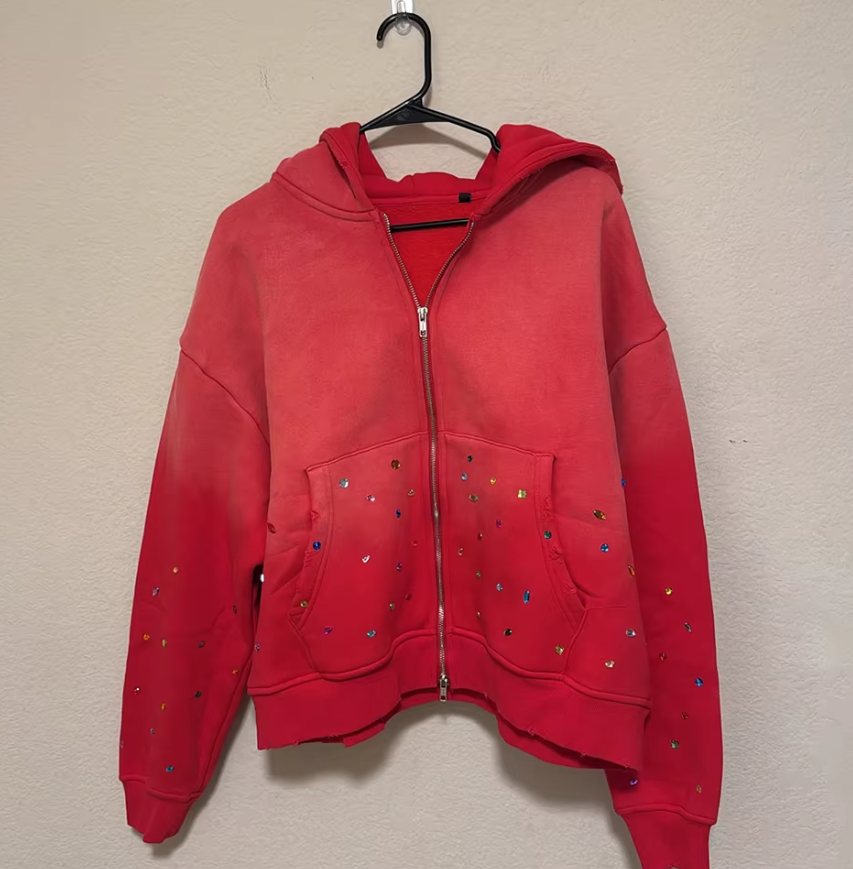
Brands combining conventional streetwear lines sustainable recycled collections and organic apparel ranges require manufacturing partners holding complete sets of mainstream international compliance certifications, comprehensive certified production capacity fully delivered by Xinsheng built upon twenty years dedicated men’s streetwear OEM and ODM manufacturing experience. The factory operates full independent post processing workshops equipped with professional washing stone wash acid wash DTG screen print embroidery and rhinestone fitting equipment, with all production workflows aligned to pass WRAP BSCI OEKO TEX GRS and Higg Index third party audits at scheduled intervals. Xinsheng maintains fully traceable fabric and accessory supply chains supporting recycled organic and conventional raw material bulk matching, with stable large monthly output accommodating small trial runs and full seasonal mass shipment volumes to more than fifty global markets. Flexible minimum order thresholds and free pre production sample confirmation simplify compliance verification before formal cutting, while mature cross border logistics coordination prevents delivery delays triggered by incomplete certification documentation. For global brand procurement teams managing multi line responsible apparel bulk orders, the integrated fully certified manufacturing system removes fragmented supplier audit coordination work and sustains consistent compliant finished garment delivery across long term cooperation cycles.
Table of Contents
- Labor Compliance Certificates Verify Fair Workplace Standards
- OEKO TEX Series Certificates Guarantee Skin Safe Finished Goods
- GRS Certification Confirms Traceable Recycled Material Supply
- GOTS Standards Authenticate Credible Organic Textile Production
- Higg Index Audits Measure Long Term Factory Environmental Performance
- Integrated Certified Garment Manufacturing Delivers Stable Responsible Bulk Supply