
 EN
EN


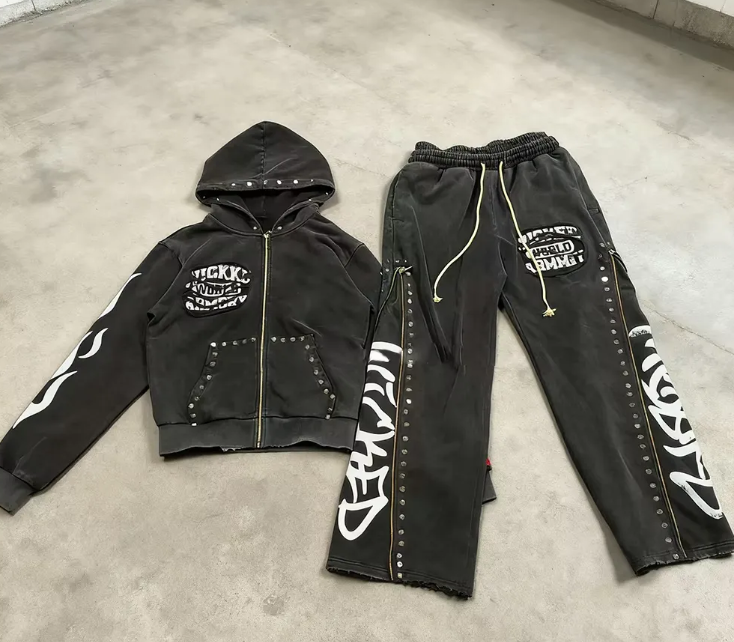
When you pick up a hoodie, the first thing you notice is often how it feels. Is it soft and plush against your skin? Or is it smoother and more structured? And when you wear it on a chilly day, you quickly find out how warm it keeps you. The secret behind both the handfeel and the warmth lies mostly in one place: the inside of the fabric, specifically the fleece backing. The type of fleece used on the interior of a hoodie is a major decision for any clothing brand. It defines the comfort and the performance of the garment. Understanding the different options is key to creating a hoodie that your customers will reach for again and again.
What is Fleece Backing and Why Does It Matter?
Let's start with the basics. The fabric used for most hoodies is a knit fabric, often a French Terry or a fleece. The outside might look smooth, but the inside is where the magic happens. Fleece backing refers to the texture and construction on the interior surface of the fabric. This isn't just an afterthought; it's a crucial part of the fabric's engineering. It's created by looping or brushing the yarns on the inside to create a raised, soft surface. This layer of trapped air provides insulation, which is what keeps you warm. It's also what gives the hoodie that characteristic cozy feel. The specific way this backing is constructed – whether it's a dense, brushed fleece or a looped terry – directly changes the garment's weight, its warmth, and how it feels against the skin. For a brand looking to create a quality product, this is a fundamental choice, and a skilled manufacturer with years of fabric insight, like Xinsheng Garment, can guide you through the options.
Unbrushed vs. Brushed: A Tale of Two Textures
The two most common types of fleece backing you'll encounter are unbrushed and brushed. Unbrushed fleece, often referred to as French Terry, has a smooth face on the outside and a surface of uncut loops on the inside. It's breathable, has a great drape, and feels soft but not overly plush. It's a fantastic choice for a lighter weight hoodie, perfect for layering or for milder weather. The warmth comes from the trapped air in the loops, but it's not as insulating as a brushed version. On the other hand, brushed fleece takes that interior surface and literally brushes it to break the loops, creating a soft, fuzzy, and incredibly plush nap. This process significantly increases the fabric's insulating properties because the brushed fibers create more air pockets to trap body heat. A brushed fleece hoodie feels like a warm hug. It's heavier, cozier, and the go-to choice for cold-weather comfort. The difference between these two is dramatic, and feeling a sample of each is the best way to understand which texture and warmth level is right for your design.
Weight, Density, and the Quest for Warmth
Beyond just brushed or unbrushed, the weight and density of the fleece play a huge role. Fabric weight, usually measured in grams per square meter (GSM), tells you a lot. A lightweight hoodie might be around 280-300 GSM and is often made with a French Terry backing. It's for cool evenings, not deep winter. As you move into mid-weight fabrics, around 350-400 GSM, you'll often find brushed fleece. This is the classic, all-purpose hoodie weight – warm, comfortable, and substantial without being too heavy. Then you have heavyweight fleece, going up to 450 GSM and beyond. This fabric is dense, incredibly warm, and feels very premium and durable. It holds its shape well and is built for serious warmth. The density of the knit and the depth of the brush both contribute to this. A high-quality, heavyweight brushed fleece is a statement of quality, showing that a brand cares about providing real comfort and protection from the cold. When you're planning a bulk order, choosing the right weight is a strategic decision that affects the garment's cost, feel, and market positioning.
Making the Right Choice for Your Brand
So, how do you choose? It all comes back to your brand's identity and your customer's needs. What story are you trying to tell? Are you creating a line of streetwear basics for year-round wear? A mid-weight, brushed fleece hoodie is a versatile and popular choice. Are you designing a premium, cold-weather essential? Then a heavyweight, densely brushed fleece is the way to go. Are you aiming for a more athletic or layering piece? A French Terry hoodie might be perfect. This is where the expertise of your manufacturing partner becomes invaluable. A company with decades of experience can provide you with fabric and color choices based on your requirements. Their expert pattern makers can then develop a design sample, allowing you to actually feel and test the warmth and handfeel of your chosen fleece. This sample stage, where you can confirm every detail before bulk production, is your opportunity to get it exactly right. By carefully considering the fleece backing type, you ensure that your custom hoodie not only looks great but also delivers on the promise of comfort and warmth, building a loyal following for your brand.